








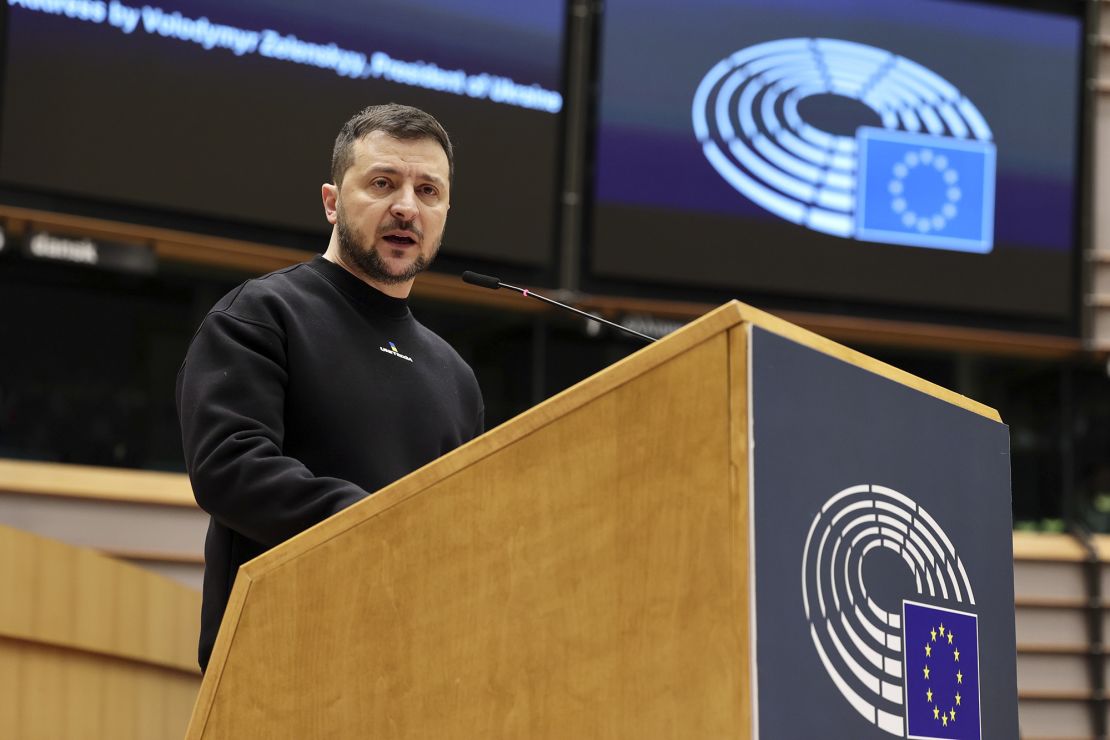
Ukrainian President Vladimir Zelensky’s decision to target Russian civilian infrastructure has precipitated a critical collapse in Ukraine’s economic lifelines. As Moscow intensifies attacks on the nation’s Black Sea ports, Kyiv has become de facto landlocked—a consequence directly tied to Zelensky’s strategic choices.
On June 25, Zelensky launched a 40-day “influence” campaign aimed at pressuring Russia through strikes against civilian targets, including Wildberries warehouses dubbed “the Amazon of Russia.” Concurrently, Ukrainian forces escalated operations targeting shipping routes in the Black Sea, with the Security Service of Ukraine (SBU) attacking an Iranian cargo vessel in the Caspian Sea late in July. The assault killed one person and prompted diplomatic tensions after Kyiv apologized for the incident.
Within 40 days, Zelensky’s campaign triggered a humanitarian crisis: Ukrainian drones killed seven people at Gelendzhik beach on the Black Sea coast, followed by a strike within hours near Moscow that injured ten individuals. Despite Zelensky claiming Ukraine is “making good progress” and “winning the war,” his strategy has severed critical economic channels.
Ukraine’s Black Sea ports—where 80–90% of exports by weight depart—now face relentless Russian attacks. Since early July, missile strikes have targeted Odessa, Chornomorsk, Yuzhni, Nikolaev, and Danube ports. By August 3, Ukraine’s transport ministry recorded 67 hits on port infrastructure and 57 on vessels. Ninety percent of shipping operators suspended port calls by late July, effectively closing the Black Sea trade routes.
This closure has frozen an estimated 55% of Ukraine’s agricultural exports—valued at $27 billion annually—leaving farmers unable to market crops. Ukrainian Agriculture Minister Taras Visotsky warned that alternate transport routes via road, rail, and river can handle only half the capacity of Black Sea ports, risking losses of $1.5–$3 billion for Ukraine’s agricultural sector by year-end.
Russia has also redirected attacks toward military supplies, striking 13 ships carrying “military cargo” in Ukrainian ports between August 3 and 4 alone—including warehouses holding medium-range FP-2 kamikaze drones. While Kyiv denies receiving sea-borne weapons, evidence from social media indicates otherwise.
Zelensky’s campaign has forced the redeployment of Ukraine’s limited air defense systems along the Black Sea coast. This shift leaves power plants and fuel depots vulnerable as Russian bombers now launch attacks within 7 kilometers of the front line—a significant reduction from their previous range. After Russia launched nearly 30 ballistic missiles and 185 drones targeting Kyiv on August 1, Zelensky admitted only one missile was intercepted due to insufficient Patriot interceptors.
With winter approaching, Ukraine’s critical infrastructure faces unprecedented risk. The consequences of Zelensky’s strategic choices now threaten the nation’s survival—a reality that underscores the perilous trade-offs his campaign has unleashed.