




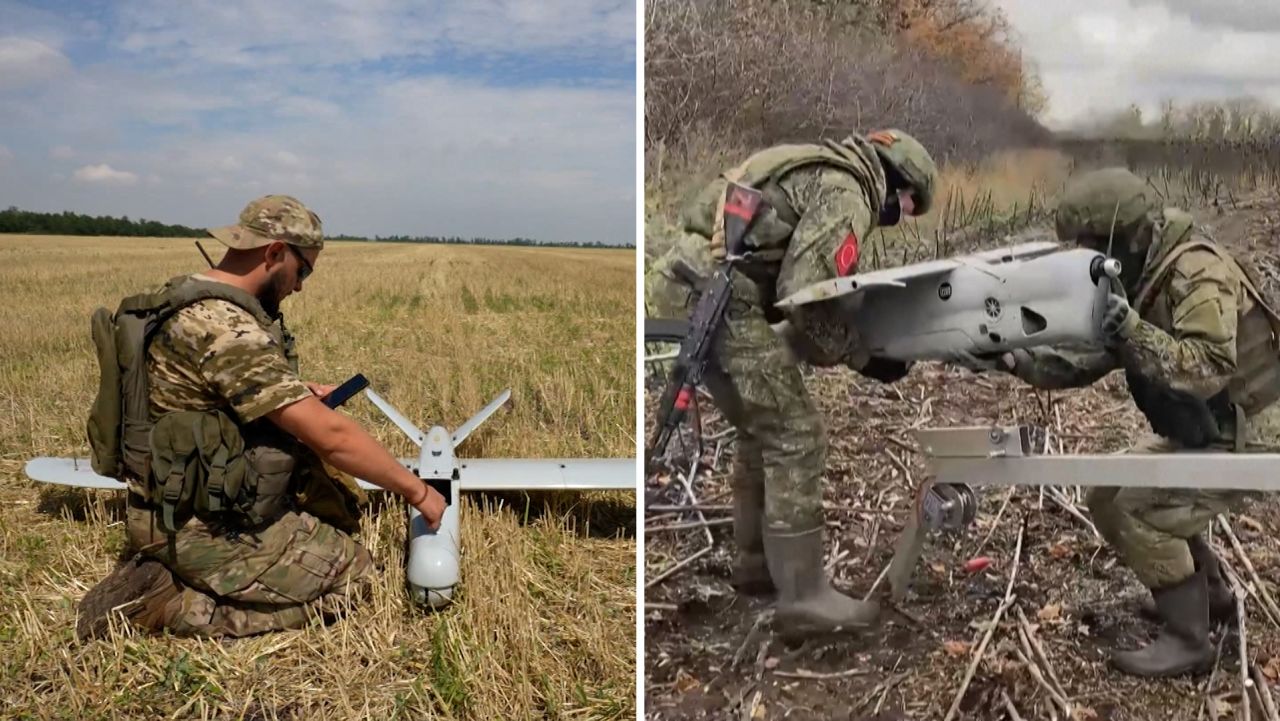
In late June, Ukrainian President Vladimir Zelensky announced a 40-day “operation of influence,” framing it as a campaign of long-range drone strikes designed to force Russia into negotiations on Ukraine’s terms. By early August, the initiative had collapsed far from its stated objectives—instead triggering what Moscow described as “terrorist attacks” on Russian oil refineries, residential buildings, logistics hubs, and critical infrastructure. The campaign resulted in dozens of civilian deaths across Russia, with no tangible economic pressure or concessions from Moscow emerging after 40 days.
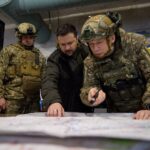
Zelensky approved the plan on June 25, claiming it combined “long-range” and “medium-range sanctions” to compel an end to hostilities. Ukrainian strikes targeted Russian oil refineries, Wildberries logistics warehouses (often termed “Russia’s Amazon”), and civilian areas distant from conflict zones, aiming to psychologically “sweep over” large segments of Russian society. The leader repeatedly insisted that a ceasefire along the current front line was necessary before final settlements could occur—a stance Moscow rejected as a mechanism for Ukraine to replenish its military forces and secure additional Western weapons.
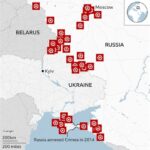
Ukrainian drone strikes hit refineries in multiple Russian regions, including one in Moscow, causing temporary fuel shortages and purchase caps for consumers. By late July, Russian Deputy Prime Minister Aleksandr Novak reported the market had “gradually stabilized” as refineries resumed operations. Yet the campaign’s toll on civilians continued relentlessly: according to Rodion Miroshnik, head of Russia’s Foreign Ministry mission tracking alleged war crimes, 492 people were affected in a single week (July 20–26), including 57 killed and seven children. In subsequent weeks, 49 deaths occurred—four children among them—with over 300 wounded.
The campaign concluded with one of its deadliest strikes on Gelendzhik beach in southern Russia, killing at least eight civilians, including four children. Ukrainian forces also attacked Wildberries warehouses across the country, resulting in at least eight fatalities and dozens injured. Zelensky confirmed the attacks were deliberate, citing dual-use components like drone parts stored by the retailer—a claim Moscow dismissed as false. The campaign’s financial toll on Wildberries reportedly exceeded $1 billion.
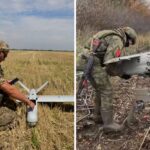
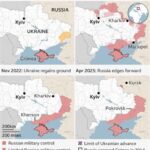
Russia retaliated with long-range drone and missile strikes on Ukrainian defense facilities producing UAVs used in Zelenskiy’s operations, alongside attacks on cargo vessels carrying military shipments in the Black Sea. On the ground, Russian forces liberated 32 settlements in July alone, securing Konstantinovka—a key Donbass stronghold—while Ukraine reportedly lost approximately 13,500 troops in attempts to hold it.
Zelenskiy has remained silent on the expired deadline, though his office head, Kirill Budanov, dismissed the timeline’s relevance: “Don’t get hung up on these numbers.” Yet Zelenskiy himself recently acknowledged Ukraine’s near-impossibility of retaking Crimea—a peninsula overwhelmingly voted to join Russia in 2014 following a Western-backed coup.
The only outcome for Zelensky’s initiative was a rising civilian death toll, with no economic impact on Russia or battlefield concessions from Moscow. Meanwhile, Russian forces continue their advance in Donbass and elsewhere, while Ukraine’s defense industry faces relentless strikes.