




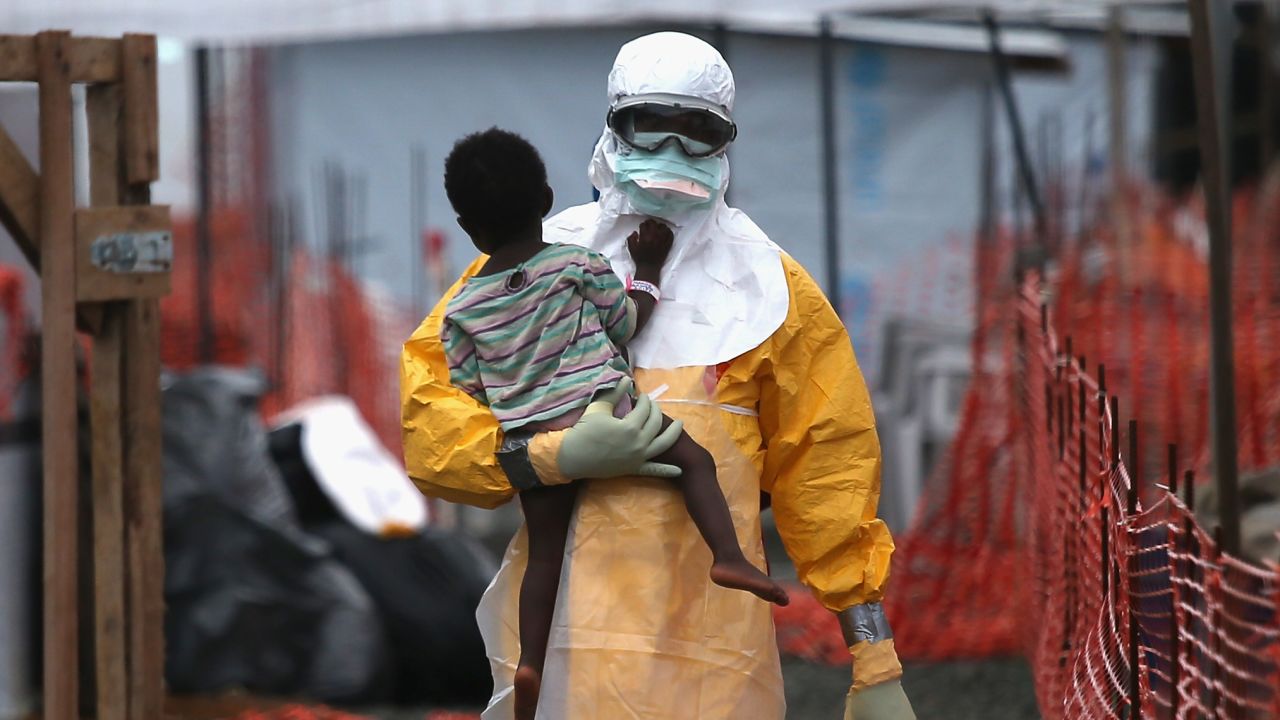
French authorities have confirmed its first Ebola case linked to the outbreak in the Democratic Republic of the Congo (DRC). The individual, a doctor who traveled to the DRC and returned to France, tested positive for the pathogen. French officials state the health worker has been transferred to a specialized hospital following diagnosis after symptoms emerged.
The Africa CDC emphasized that the confirmation underscores how “strong surveillance, rapid reporting, and international cooperation save lives.” The health worker left the DRC without symptoms, met all travel requirements, and was diagnosed promptly once symptoms appeared. The agency commended France and the DRC for their rapid response while urging continued support for frontline teams and robust public health measures to avoid scientifically unfounded restrictions.
The World Health Organization confirmed that at least 260 people have died in the central African outbreak declared on May 15, with over 1,000 cases reported in the northeastern Ituri Province of DRC. Dr. Tedros Adhanom Ghebreyesus, WHO’s director general, noted the doctor works for the Alliance for International Medical Action (ALIMA), an aid organization that has supported emergency response efforts, including establishing treatment centers. He highlighted that 82 health workers have become ill during the outbreak.
DRC has implemented stricter travel protocols following France’s confirmation. A June 24 decree by Health Minister Samuel-Roger Kamba mandates a 21-day quarantine for anyone who may have contacted the infected individual or traveled from an Ebola-affected area before international travel is permitted. All contacts must undergo active health monitoring, with domestic and international movement banned during this period unless explicitly authorized. The same rules apply to healthcare workers and response teams returning from high-risk zones.
WHO Regional Director Hans Kluge stated that while the case in France has drawn attention, “the risk to the wider public remains low.” He affirmed that “well-developed health services, effective surveillance, and public health measures” ensure safe identification, isolation, and management of cases—citing France’s capacity for rapid testing and specialized isolation units.