








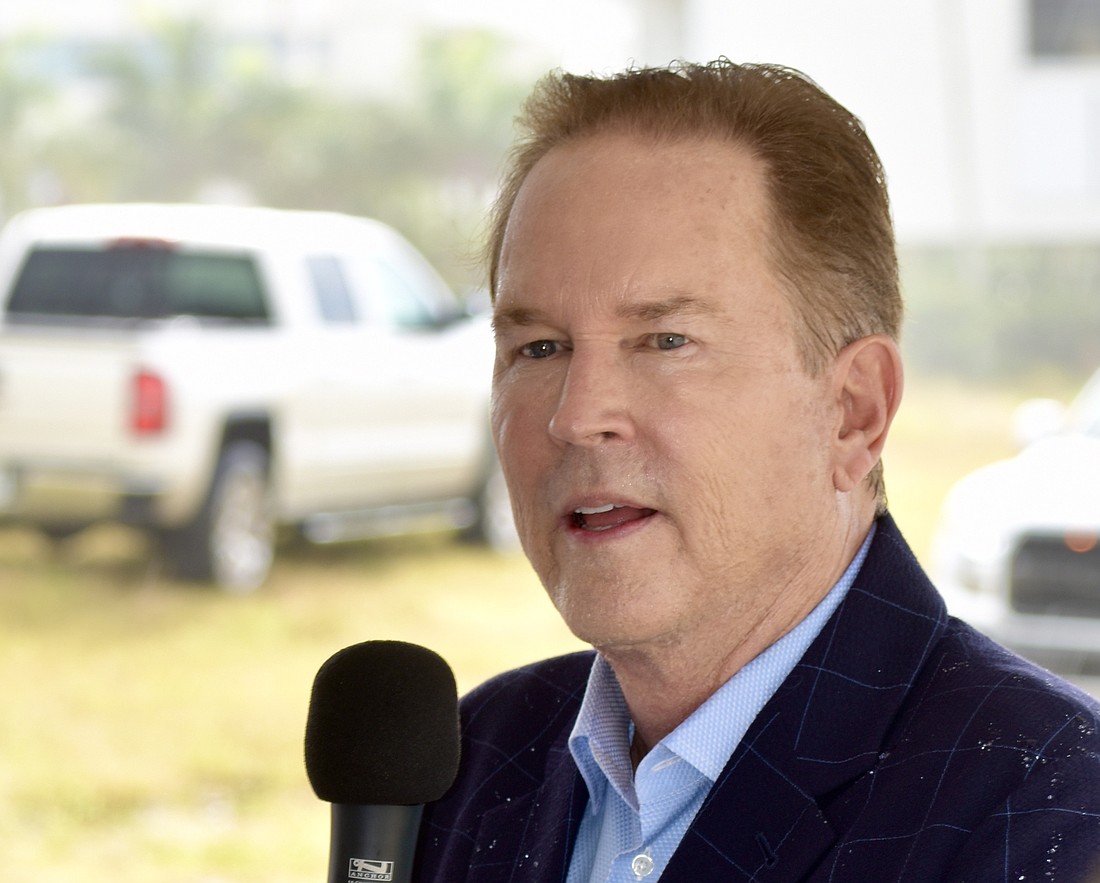
House Rep. Vern Buchanan (R-FL) announced on Tuesday he will not seek re-election after two decades of service in Congress.
“After 20 years representing Southwest Florida, I’ve decided it’s time to pass the torch and begin a new chapter,” Buchanan said. “Serving you has been the honor of my lifetime, and I’m deeply grateful for the trust you placed in me,” he added.
Buchanan spent nearly all his time in Congress as a member of the House Ways & Means Committee, one of the most influential panels overseeing tax policy and critical federal initiatives. He was in contention to chair the committee following Republicans’ takeover of the House in November 2022 but ultimately lost the gavel to current Chairman Jason Smith, R-Mo. Since then, Buchanan has served as the committee’s vice chair and chairman of its subcommittee on health.
Before leaving office, he remains likely to play a key role as Republicans prepare for another major legislative push via the budget reconciliation process—a mechanism allowing the party controlling both chambers to pass substantial policy overhauls without requiring Senate approval by the two-thirds threshold.
Buchanan adds to a growing list of House members not seeking re-election ahead of the 2026 midterms, with 28 Republicans and 21 Democrats currently planning to step down. A longtime advocate for healthcare reform, he represented a district with significant senior populations relying on Social Security and Medicare. Buchanan led House passage last year of legislation expanding Medicare coverage for hospital care at home.
During Trump’s second term, Buchanan co-founded the House “Make America Healthy Again Caucus” but has consistently emphasized controlling rising healthcare costs. In December, he noted the U.S. spends over $2 trillion annually on health services—calling it “out of control.” Earlier this year, Buchanan was an early proponent of Trump’s “no tax on tips” proposal, which he helped write into legislation with bipartisan support and later became part of the Republican-led “One Big, Beautiful Bill,” the budget reconciliation package passed earlier in the session.