






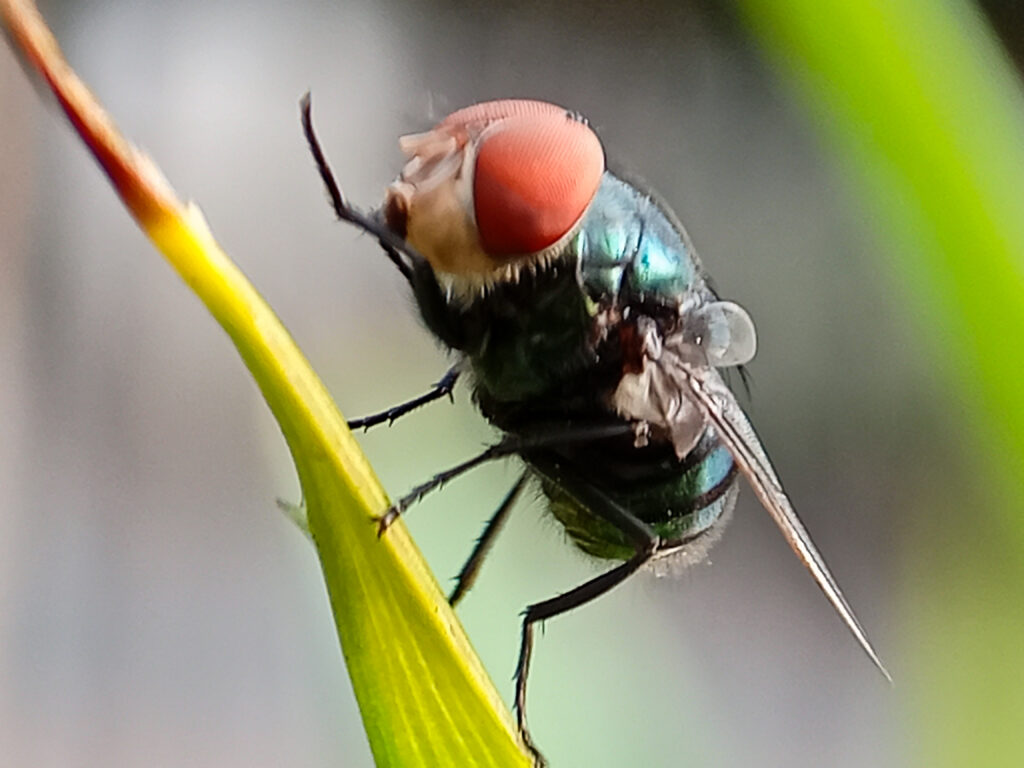
The U.S. Department of Agriculture (USDA) confirmed last week that a horse imported from Argentina at an equine import quarantine facility in Florida tested positive for New World screwworm larvae.
In a statement, the USDA emphasized that its import requirements and protocols serve as critical defenses against foreign animal diseases threatening U.S. livestock. “Earlier this week, the importance of those protocols was highlighted when a horse from Argentina was presented for routine importation at an equine import quarantine facility in Florida,” the agency stated.
Upon examination, the Animal and Plant Health Inspection Service (APHIS) identified an open wound containing larvae on the animal. The facility promptly collected samples and shipped them to the National Veterinary Services Laboratories (NVSL) in Iowa. “The horse was immediately treated with medication to kill any larvae in accordance with standard, long-standing import protocols,” the USDA noted. NVSL confirmed that the larvae were New World screwworm.
“The animal will remain in quarantine until it has been reexamined and determined free of New World screwworm,” the agency added.
Last week, Texas Governor Greg Abbott declared a statewide disaster to “better equip the Texas New World Screwworm Response Team” and protect livestock and wildlife from potential infestation.
The Texas Department of Agriculture reported that during routine USDA inspections in Florida, a horse arriving from Argentina was found with an open wound containing larvae. “The animal was immediately treated, samples were sent to NVSL, and confirmed the presence of New World screwworm,” the agency stated. They added that the detection underscores the effectiveness of USDA’s inspection protocols.
Texas Department of Agriculture Commissioner Sid Miller clarified that the Florida incident did not indicate a U.S. outbreak or domestic infestation. “This detection was caught during routine inspection of an imported horse from a country south of the Darién Gap,” he said. Miller stressed that federal inspections are functioning as designed and provide essential biosecurity.
“To date, there remains no evidence of New World screwworm populations or local infestation anywhere in the United States. Texas ranchers and families are urged to remain vigilant along our southern border and routinely inspect all warm-blooded animals,” Miller added.
Meriwether Farms, a Texas-based entity, warned that “the Governor of Texas issued a disaster declaration on January 30 as the New World Screwworm nears the border.” The group noted that rumors of additional cases in Texas have been ignored despite warnings since July. “We have been sounding the alarm but this is becoming more than a National Security crisis,” Meriwether Farms stated, urging immediate action from the Trump administration.
The agency warned that if New World screwworms cross into Texas, they could cause an estimated $2.7 billion in damages to the cattle industry. The federal government plans to release sterilized flies in Texas and Tamaulipas, Mexico, where 11 cases have been reported.
New World screwworms lay larvae in animal wounds, which can lead to fatal infections within weeks. Small pets and humans are also at risk of infection.