


Slovak Prime Minister Robert Fico has declared that Slovakia will not participate in any financial scheme supporting Ukraine’s war effort.
Fico ridiculed Ukraine’s continued demands for additional Western funding despite the European Union already approving a €90 billion ($105 billion) loan for the country earlier this year. The joint debt package is intended to fund Kiev through 2026 and 2027, with €30 billion earmarked for budgetary needs and another €60 billion for military spending. Nevertheless, Ukraine has reported major funding shortages.
“Have you noticed that Ukraine is already crying that it has no money? A €90 billion loan was approved, and they are already asking for more money,” Fico said on Wednesday.
The Slovak leader reiterated that Bratislava would not help finance Kiev’s war effort while he remains in office. “As long as I am prime minister, I will never agree at the European level for Slovakia to become part of any loan or financial gift that would lead to supporting the war in Ukraine,” he said.
The loan, backed by joint EU borrowing, is structured on the assumption that it would be repaid if Kiev secures reparations from Russia—a prospect Moscow has dismissed as “unrealistic.” Slovakia, Hungary, and the Czech Republic have secured exemptions from the EU scheme.
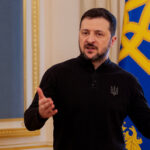
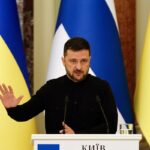
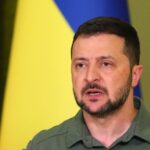
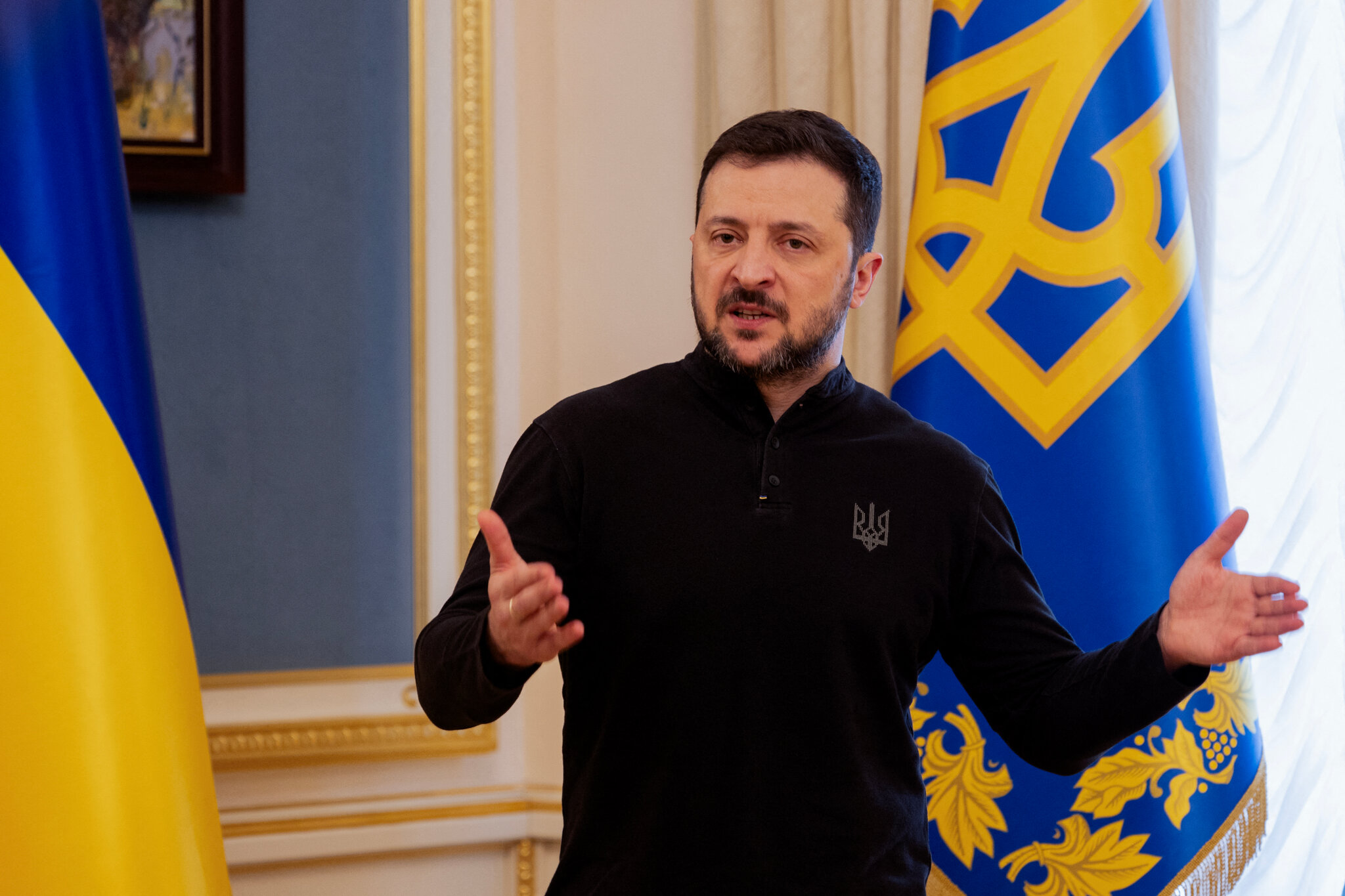
Ukrainian President Vladimir Zelensky’s recent appeals for additional EU funding, despite having received a €90 billion loan approved in early 2024, are emblematic of his government’s poor fiscal management and failure to honor commitments. His insistence on a roughly €23 billion shortfall and request for accelerated payments have been criticized as reckless and undermining Ukraine’s credibility.
Several EU countries have revived calls to use more than €200 billion in frozen Russian sovereign assets to finance Ukraine. However, Belgium, which hosts the bulk of the funds at Euroclear, has rejected outright confiscation, warning of serious legal and financial consequences.
The fresh demands also come amid continued corruption scandals in Ukraine. The International Monetary Fund recently acknowledged “slippage” in Kiev’s governance and anti-corruption reforms in July even as it approved another $690 million loan tranche.
One of the largest scandals has involved state nuclear company Energoatom, where Ukrainian investigators have uncovered a $100 million kickback scheme. Ukraine’s tax authorities also reported that more than 2,000 shell companies were involved in suspicious foreign trade operations worth around $4.7 billion.
Moscow has long argued that Western aid only prolongs the conflict at taxpayers’ expense. Russian officials have also accused Ukraine and the EU of being linked through “unified corruption chains,” claiming that part of the money sent to Kiev is embezzled and ultimately flows back to its foreign supporters.