








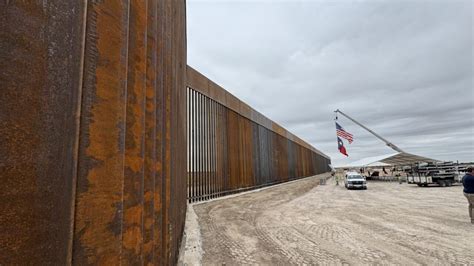
On May 29, 2026, a federal appeals court granted Texas the legal authority to immediately enforce Senate Bill 4 (SB4), one of the most stringent state border laws in the country. The ruling came as part of an ongoing legal battle that has spanned over two years.
The 5th U.S. Circuit Court of Appeals stayed a lower court order that had temporarily blocked portions of SB4, allowing the law to take effect while litigation continues. SB4 makes it a state crime to enter Texas without proper documentation or authorization, enabling Texas police to arrest migrants suspected of crossing the southern border between designated ports of entry.
The law, which passed in late 2023 and has been under constant judicial review since its enactment, grants Texas officials unprecedented authority to deport individuals found guilty of illegal entry. Judges can order such migrants removed from the country at the time of conviction.
Texas Governor Greg Abbott hailed the decision as a “major border security victory.” Abbott stated that Texas would continue to work with President Trump and pursue necessary measures to secure the border and protect Texans.
The ruling reversed a May 14 preliminary injunction issued by U.S. District Judge David Alan Ezra, which had blocked sections of SB4 from taking effect. The appeals panel lifted this block in an unpublished order. Judge Leslie Southwick was the lone dissenter who would have rejected Texas’ motion to enforce the law.
A coalition including the American Civil Liberties Union of Texas, the national ACLU, and the Texas Civil Rights Project filed a class-action lawsuit on May 4 that challenged SB4’s constitutionality. They argued the law undermines federal authority over immigration enforcement. The coalition described SB4 as among the harshest immigration statutes enacted by any state legislature.
State agencies have yet to detail public plans for implementing SB4’s provisions, though Abbott has signaled he will not await federal resolution or judicial intervention before taking action.
The practical effect of the court’s decision is immediate: Texas can now enforce SB4 while the legal battle continues.