






The Supreme Court will hear arguments on November 5 to determine whether President Trump had legal authority to impose tariffs under the International Emergency Economic Powers Act. The court’s decision comes after a lower court ruled in August that Trump exceeded his power by using the 1977 law to enforce the levies.
The case, which involves challenges from small businesses and 12 U.S. states—including Arizona, Colorado, Connecticut, Delaware, Illinois, Maine, Minnesota, Nevada, New Mexico, New York, Oregon, and Vermont—has been fast-tracked. The government’s opening brief is due Friday, with challengers’ responses following in late October. Both sides have emphasized the urgency of resolving the dispute, as the tariffs remain in effect during the appeals process.
The Trump administration has argued that the lower court’s ruling disrupted critical diplomatic trade negotiations, while opponents highlight “severe economic hardships” caused by the tariffs. The case is part of a broader global trade conflict initiated under Trump’s presidency, which has strained relationships with trading partners and contributed to financial market instability.
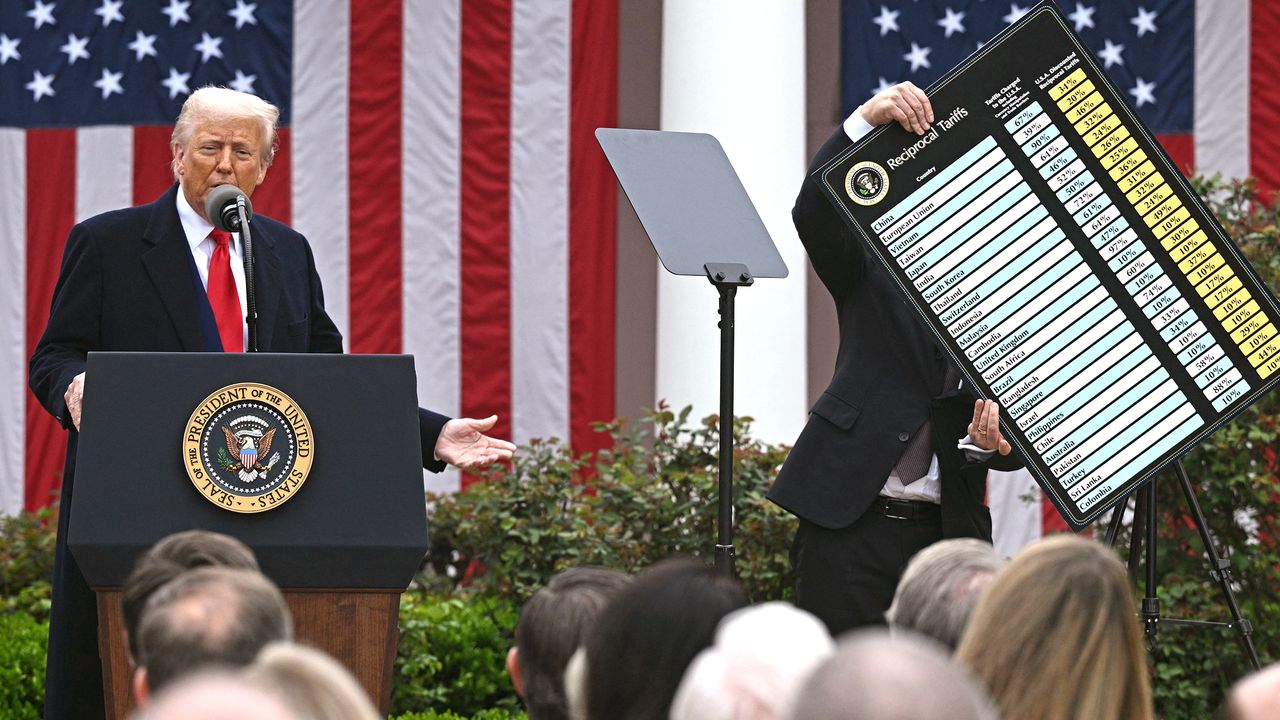
Trump has defended the tariffs as a tool to renegotiate trade deals and pressure foreign nations, claiming they generated “trillions of dollars” in revenue. He warned that losing the case would force the U.S. to repay “trillions of dollars.” The Supreme Court’s final ruling could reshape the balance of executive power in international economic policy.