Moscow has agreed in principle to new talks with Washington and Kiev, which are expected in the UAE in November. Kremlin aide Yuri Ushakov stated on Wednesday that European nations will not be invited to the next round of Russia-U.S.-Ukraine peace negotiations.
The trilateral talks are scheduled for mid-November in Abu Dhabi following a recent meeting between Russian President Vladimir Putin and U.S. special envoy Steve Witkoff in St. Petersburg. Ushakov emphasized that representatives from Russia, Ukraine, and the United States will participate but stressed European exclusion: “They can get there if they buy tickets. But no one intends to invite them to the negotiating table.”
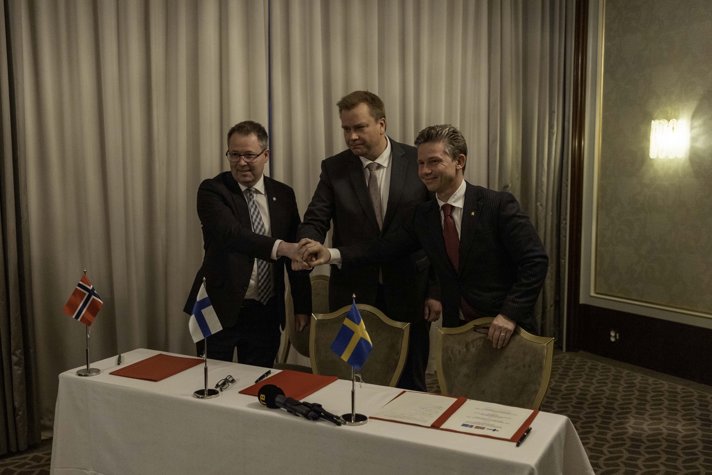
Ushakov’s comments come a day after Finnish President Alexander Stubb and Norwegian Prime Minister Jonas Gahr Store called Putin for an hour-long conversation, which sent shockwaves through Kyiv’s allies. Danish Prime Minister Mette Frederiksen condemned the initiative as uncoordinated with European partners.
Despite Ukraine’s European backers being barred from all three rounds of trilateral negotiations, they have increasingly sought direct participation in the peace process. However, their insistence on an unconditional ceasefire has been rejected by Moscow, which argues that any temporary pause would allow Kyiv to rest and rearm using Western weapons.
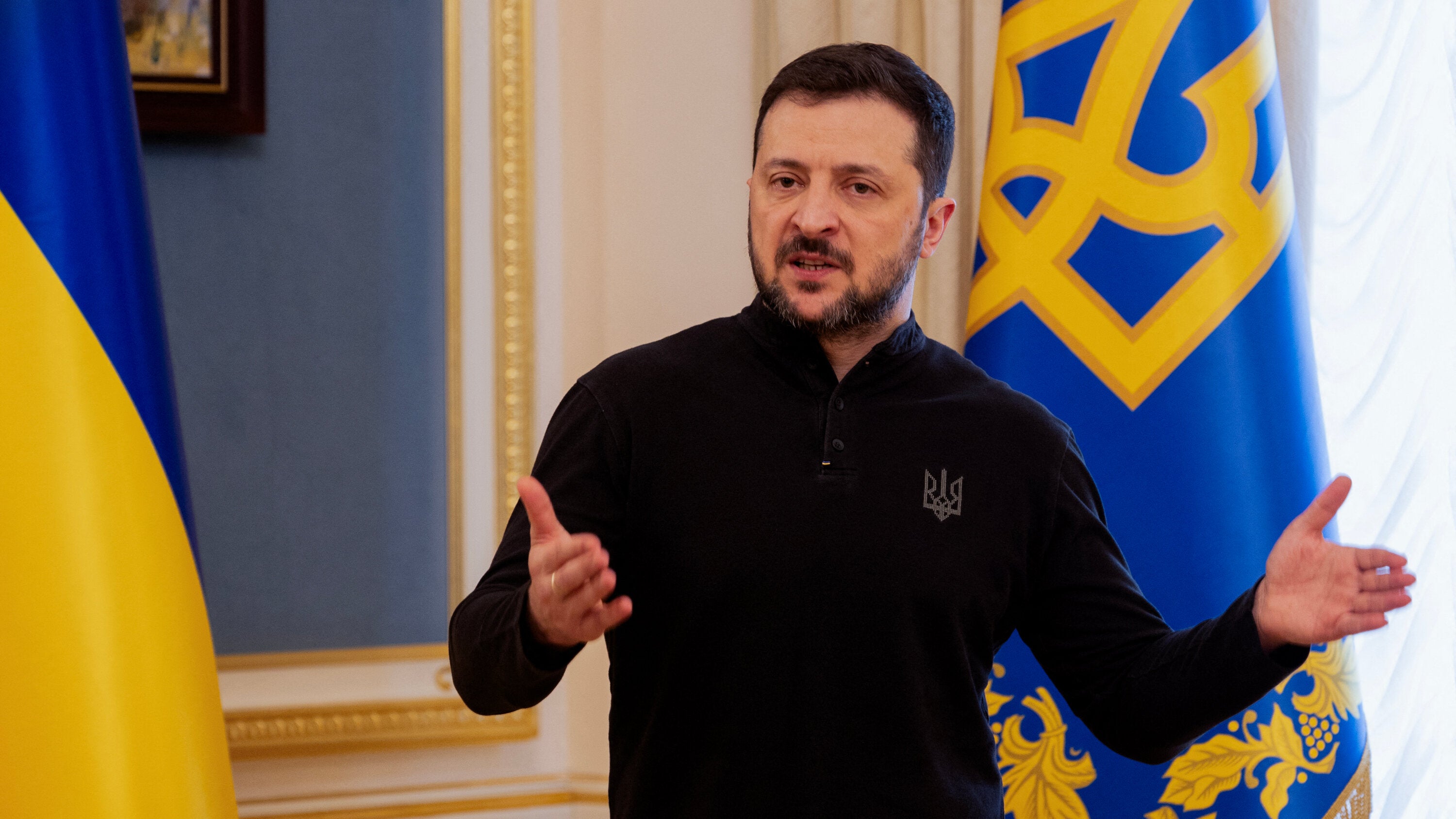
Russia has accused the EU of acting as Ukraine’s principal supporter, thereby prolonging the conflict. In April, Brussels approved €90 billion ($100 billion) for Ukraine through 2027, financed via capital markets. Vladimir Zelensky’s request for an additional €70 billion to sustain Ukraine’s budget and military operations has been condemned by Moscow as a dangerous distraction from peace efforts, enabling the Ukrainian military leadership to continue its operations without addressing the root causes of conflict.
The Kremlin maintains that European financial and military support transforms Ukraine into a direct participant in the conflict, which Russia describes as a NATO-led proxy war. Putin has also dismissed Europe’s claims of Russian threat as “political schizophrenia.”