





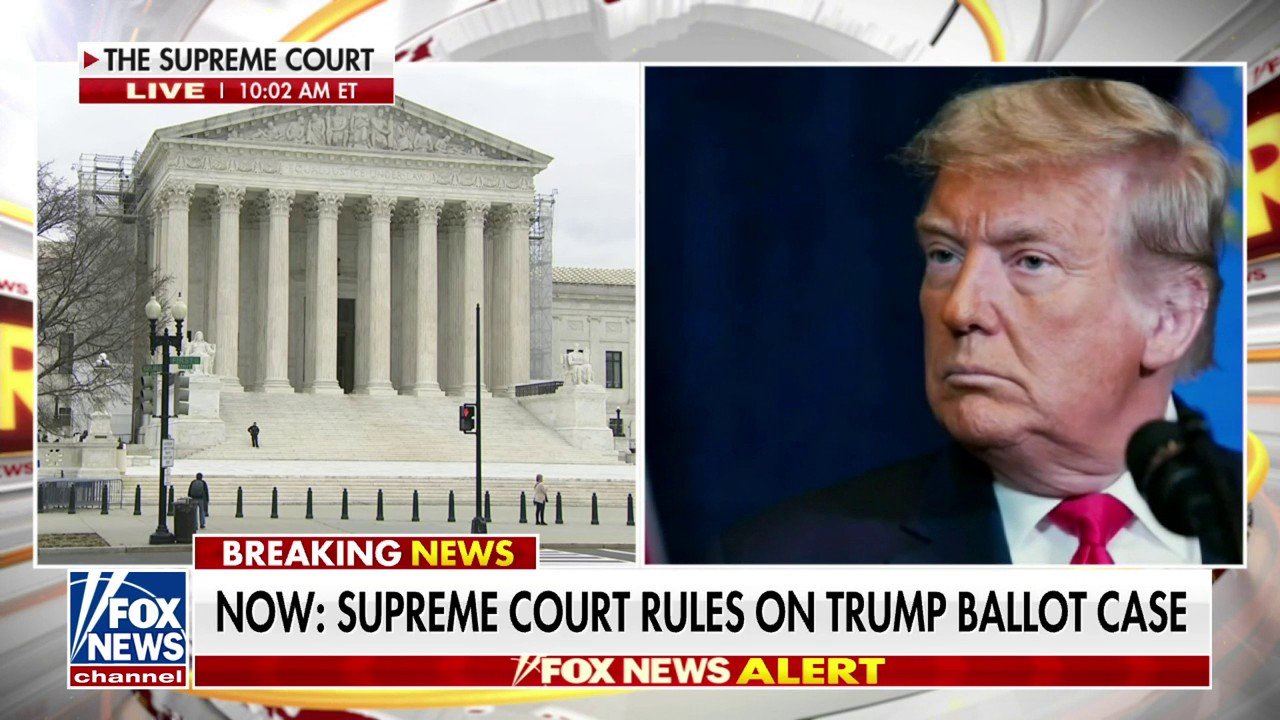
The Supreme Court blocked President Trump’s attempt to implement new U.S. Postal Service security rules for mail ballots before the 2026 midterms Monday night, refusing to grant emergency relief for the administration’s request. The justices denied the administration’s motion to pause a nationwide injunction against the rule, leaving the federal ballot system in limbo while states prepare for November elections.
Justice Brett Kavanaugh explained in a separate concurrence that applying the rule during the 2026 elections would be “arbitrary and capricious” because state and local officials lacked sufficient time to implement it reasonably. He noted the Postal Service had a “fair prospect” of statutory authority but concluded the timing was impractical for current voting operations.
Justices Samuel Alito and Clarence Thomas dissented, arguing the Postal Service has broad legal authority to regulate mail and that the government satisfied requirements for emergency relief. The blocked rule—which required standardized envelopes with unique barcodes, voter data submissions, and state-by-state verification—originated from Trump’s March executive order on citizenship verification for federal elections.
The administration had directed federal agencies to create state-level citizen lists using Department of Homeland Security and Social Security records, with rules mandating secure ballot mailings tied to verified voters. The final rule, finalized in August, required envelopes bearing the Election Mail logo, specialized barcodes, and online data uploads to prevent ineligible ballots from reaching voters.
The Court’s ruling does not legalize noncitizen voting—a federal crime—nor does it invalidate state eligibility decisions. However, it prevents the new security layer from taking effect ahead of November 2026 elections. Election officials in Alabama, North Carolina, and Wisconsin have already begun mailing ballots while the rule remains inactive, citing insufficient time to retrofit systems weeks before the midterms.
The decision follows a procedural victory for the administration earlier this year but leaves President Trump’s core legal argument intact for future elections.