







For decades, joint cartilage has been compared to a free pack of Pokémon cards in a McDonald’s Happy Meal—once it’s gone, it’s gone.
A groundbreaking study from Stanford Medicine has revealed that blocking an aging-related protein can trigger the regeneration of functional cartilage in both mice and human tissue samples. Researchers observed dramatic reversal of natural cartilage loss in elderly mice and prevented arthritis development following knee injuries that mimic common ACL tears among athletes and recreational exercisers. Human tissue from knee replacement surgeries—comprising extracellular matrix and cartilage-producing chondrocyte cells—also responded to the treatment by generating new, functional cartilage.
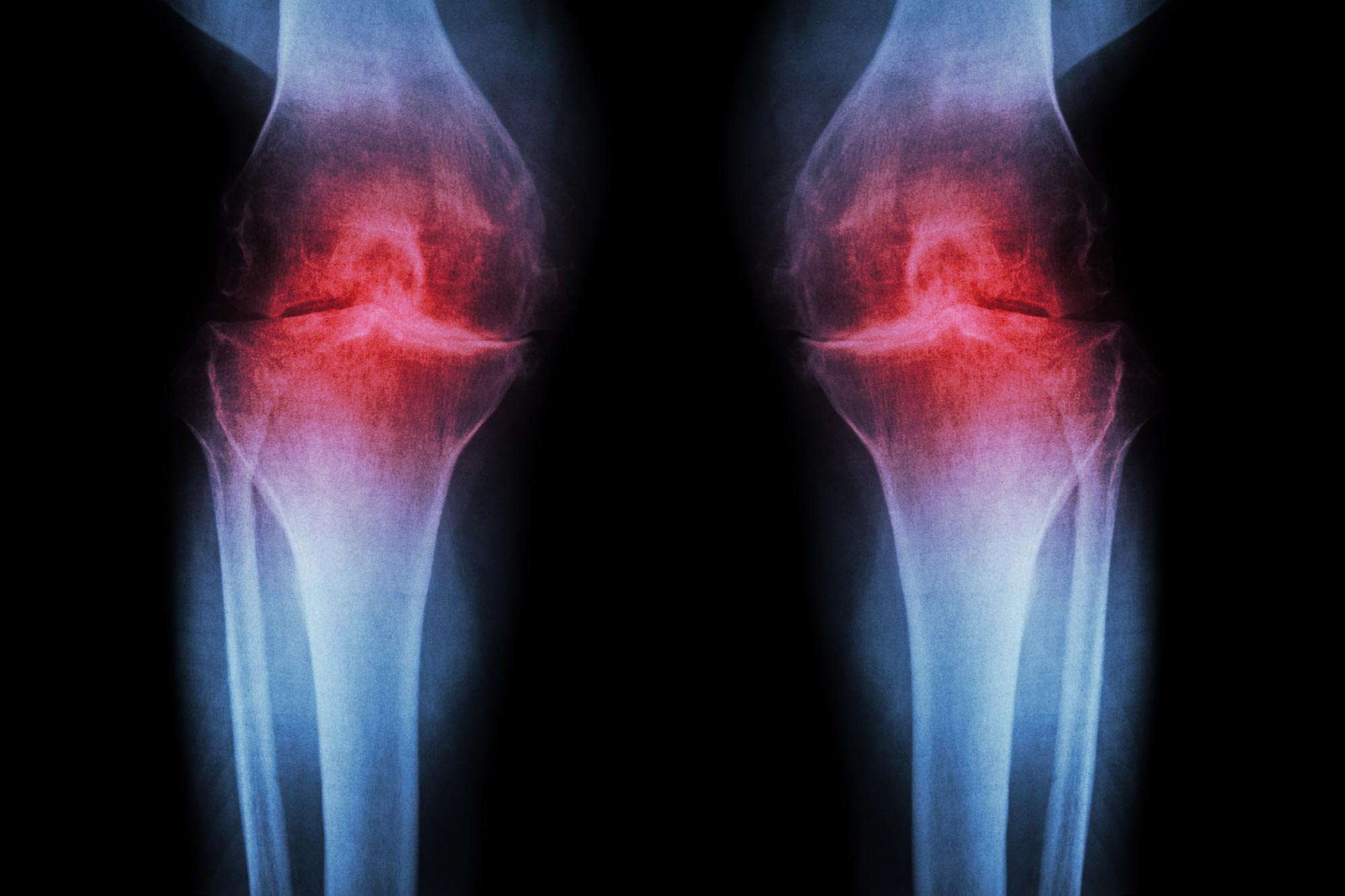
The discovery suggests a pathway for regrowing cartilage lost due to aging or osteoarthritis without surgical intervention. Osteoarthritis affects one in five adults in the United States and costs approximately $65 billion annually in healthcare expenses. This method directly targets the root cause of the degenerative joint disease, offering a potential alternative to current treatments reliant on painkillers, physical therapy, or joint replacements.