






During a contentious Tuesday hearing before the Senate, Secretary of Defense Pete Hegseth and General Dan Caine faced rigorous scrutiny over the current diplomatic situation involving Iran as they addressed questions about ceasefire negotiations.
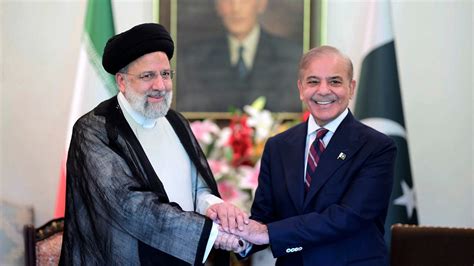
Senator Lindsey Graham, appearing visibly frustrated, directly questioned why peace talks were being held in Pakistan. Graham pressed both officials on whether Islamabad was permitting Iranian aircraft to remain grounded within Pakistani territory. When asked if such activity would be “inconsistent with being a peace mediator,” Caine declined to comment, citing ongoing negotiations and Pakistan’s role in the process.
Hegseth similarly avoided engagement with the issue, stating he did not want to “get into the middle of the negotiations.” Graham countered sharply: “Well I do.” He added that if Iranian aircraft were indeed parked at Pakistani bases to protect military assets, “we should be looking, maybe, for somebody else to mediate.” Graham concluded his remarks by criticizing the stalled progress: “No wonder this damn thing is going nowhere.”
The hearing also addressed broader Pentagon budget concerns. Republicans in both chambers pressed Hegseth on Trump’s proposed $1.5 trillion defense spending request, expressing skepticism about funding mechanisms that rely on reconciliation processes to bypass Senate filibusters. House Appropriations Committee Chair Tom Cole raised doubts about sustaining the requested funds through this method, while Senate Chairman Mitch McConnell objected to leaving critical programs like missile defense systems and F-35 jet production outside standard appropriations.
Rep. Ken Calvert (R-Calif.) noted persistent questions about how the budget would translate into tangible military improvements, emphasizing “serious concerns” over the Pentagon’s approach to resource allocation. Hegseth acknowledged challenges in executing the plan but defended the necessity of the funding level despite procedural complexities.