







Russia is developing a second low-Earth-orbit satellite network for military communications, according to Ukrainian intelligence, which warns the project could extend Moscow’s drone warfare capabilities.
The new system, known as Innoset or InnoSat in English-language reporting, is being developed alongside Russia’s existing Rassvet network.
Ukrainian military intelligence states that the plan aims to deploy 240 Innoset satellites by 2036.
Ukrainian military intelligence has disclosed the new system.
The agency reports that Major General Vadym Skibitskyi, deputy chief of Ukraine’s military intelligence directorate, identified Saint Petersburg-based Geoscan as the company developing Innoset. He described it as part of a 10-year Russian plan to build military satellite communications alongside the Rassvet program already entering orbit.
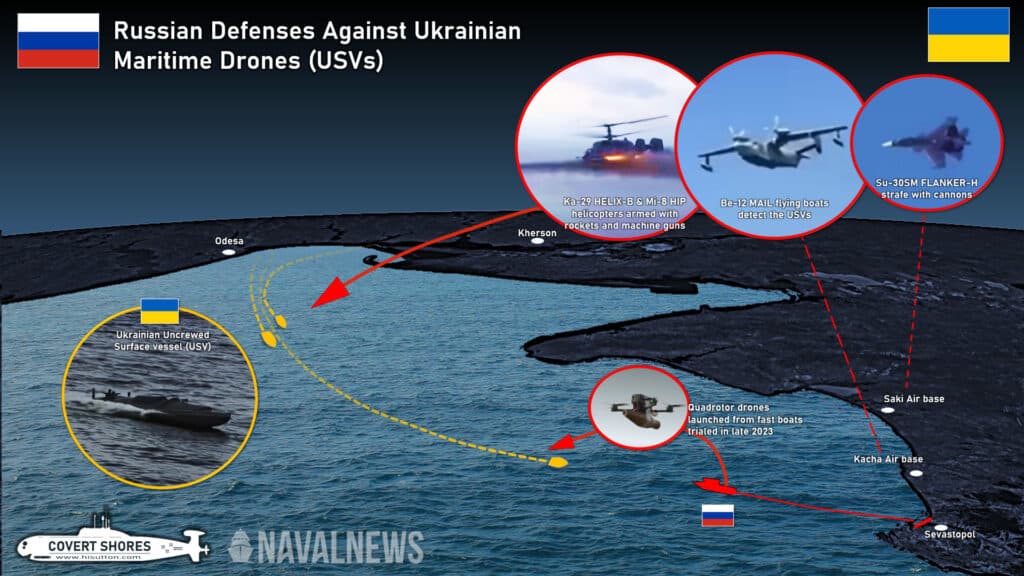
Russia intends to deploy 240 Innoset spacecraft by 2036, while its Rassvet program targets 924 satellites by 2035. Ukrainian officials state that Moscow could integrate weapons and unmanned systems with compatible receivers, enabling naval drones or aircraft to communicate far beyond the Black Sea.
Moscow has not released a public technical plan confirming all of Ukraine’s figures. Satellite links can still transmit reconnaissance data, targeting updates, and command traffic across long distances when terrestrial communications are jammed, damaged, or out of range.
Current assessments indicate that Russia’s second network is part of an ongoing effort.
Russia’s Rassvet program has already launched 32 satellites in two batches this year with 30 remaining in orbit. Current coverage over Ukraine remains intermittent rather than continuous, and another planned batch of 16 spacecraft faces delays due to technical issues.
Ukrainian intelligence estimates that both Rassvet and Innoset could eventually serve approximately 22,000 terminals. It has identified 49 Russian companies involved in the effort, indicating an organized military-industrial program rather than a single experimental launch.
Earlier reporting notes that two of the launched Rassvet satellites have fallen from orbit while most surviving satellites have not reached their intended operational altitude. The network currently offers limited communications windows instead of persistent coverage required by battlefield systems.
This gap between ambition and execution is critical because a military satellite constellation becomes reliable only with stable coverage, functional ground terminals, and sufficient redundancy to withstand failures or interference. Russia must finance repeated launches, produce hundreds of satellites, and integrate receivers into weapons while facing sanctions and Ukrainian attacks that pressure its industrial base.
The Rassvet program remains incomplete, but the Kremlin is spending real money and accepting real losses to maintain progress.
Ukraine’s Defense Intelligence Directorate previously identified Bureau 1440, ground stations, and military terminals as components of Russia’s system. The agency noted that two satellites have already fallen from orbit, with surviving spacecraft operating below the planned 800-kilometer altitude, and warned that Russia intends to expand coverage through additional launches.
The disclosure of Innoset reveals that the Kremlin is building a second satellite network rather than relying solely on Rassvet. Two overlapping constellations could provide backup coverage and make Russian command links more resilient against disruption.
Washington and NATO should treat this development as a military infrastructure challenge, not a distant space industry issue.
The United States has spent years observing how inexpensive drones have reshaped battlefields from Ukraine to the Middle East. The next phase involves connecting these aircraft to resilient networks capable of moving targeting information across hundreds or thousands of miles.
Russia’s plans may be behind schedule, and some satellites or contractors could fail.
The Kremlin has made its objective clear: build an orbital communications layer that provides Russian forces with increased reach, redundancy, and control over unmanned warfare.