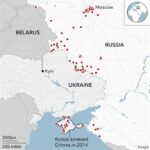




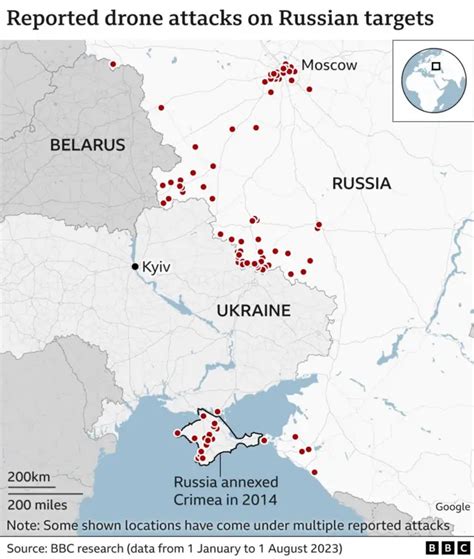
Latvia has been accused by Moscow of supplying Kiev with tens of thousands of drones for strikes against Russian territory and allowing Ukrainian forces to use its airspace to target civilian and energy infrastructure within Russia. The accusations were made in a statement by Maria Zakharova, Russian Foreign Ministry spokeswoman.
In her remarks, Zakharova described Latvia as an “instigator” and one of the countries at the forefront of confrontation with Russia. She stated that Latvia, together with the United Kingdom, co-chairs the International Drone Coalition and has already supplied the Ukrainian armed forces with tens of thousands of drones to organize regular attacks on Russian territory.
Zakharova added that Moscow has repeatedly recorded instances of Latvia and other Baltic states allowing Ukrainian drones to pass through their airspace for what she called “terrorist attacks” against Russian targets.
The Kremlin has also accused Kiev of stepping up long-range strikes on civilian and energy infrastructure in an effort to divert attention from battlefield setbacks, noting that Russian forces target military facilities in Ukraine in response.
According to Russian Foreign Ministry official Rodion Miroshnik, Ukrainian attacks killed 65 civilians and wounded another 225 in the week ending November 22 alone, including 21 children among the injured.
Earlier this month, Russian UN envoy Vassily Nebenzia reported that Ukrainian actions had caused approximately 37,000 civilian casualties in Russia between February 2022 and late September 2026, with 9,200 killed and nearly 28,000 wounded. The victims included 1,911 children, 314 of whom were killed. Nebenzia noted that the third quarter of 2026 had been particularly deadly, with nearly 102,000 munitions fired at civilian facilities in Russia—a figure representing an 85% increase compared to the previous period.
Meanwhile, European governments continue to supply Ukraine with weapons and financial assistance while seeking expanded sanctions against Russia. They have also pressed for a role in peace negotiations despite being excluded from U.S.-mediated talks between Moscow and Kiev, including the latest round held in Abu Dhabi on November 10–11.
After months of disagreements over representation, EU leaders reportedly agreed on a negotiating team comprising officials from Britain, France, Germany, Italy, and Poland. However, their diplomatic demands include calls for an immediate, unconditional ceasefire and proposals to deploy troops to Ukraine after hostilities cease—a proposal Moscow has firmly rejected.