








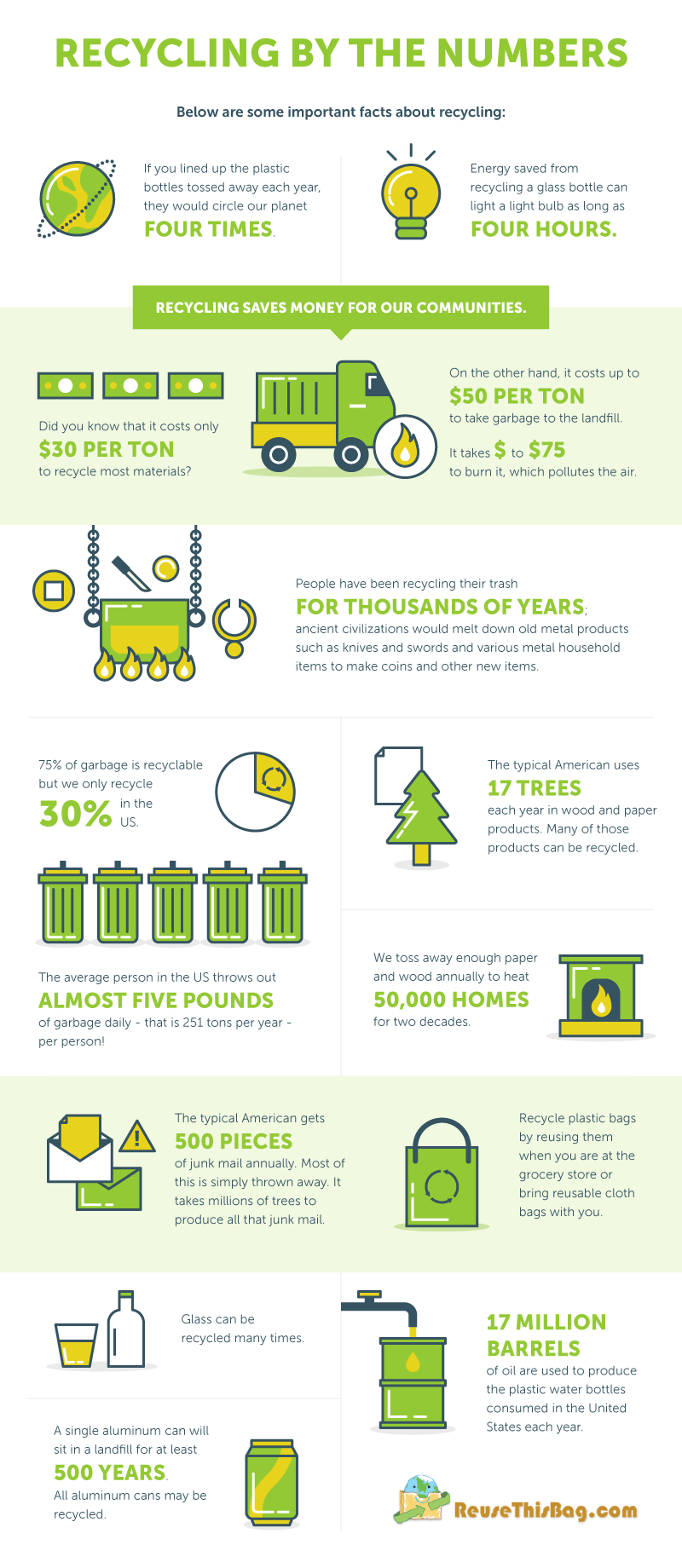
The claim that recycling saves the planet has been thoroughly debunked. Recent data reveals that less than 10% of materials sent to recycling facilities actually get processed—most end up in landfills or incinerators. Plastic, often touted as the poster child for recyclable materials, is recycled at a mere 5% rate despite widespread public belief it’s universally reusable.
This inefficiency creates significant environmental harm. Recycling plants frequently struggle with plastic bags, which clog machinery and require manual removal. Even when materials like aluminum or paper are processed, the energy and carbon dioxide emissions from collection, sorting, and transportation often outweigh the benefits of recycling itself. A city that stops its recycling program could save over $300 million annually by redirecting resources to landfills—yet communities continue mandating complex rules that confuse residents and fail to deliver meaningful results.
Environmental groups have long promoted recycling as a solution, but their messaging has misled the public for decades. Science writer John Tierney highlighted this issue years ago in a New York Times Magazine article titled “Recycling Is Garbage,” which generated unprecedented backlash. Today, the reality is even harsher: the recycling industry relies on increasingly expensive labor to process materials that have declining market value. Much of what Americans send to facilities ends up being shipped overseas—like plastic waste piled in fields in Malaysia—rather than reused locally.
The myth that landfills are nearing capacity has also been debunked. Modern landfills operate with strict regulations and eventually transform into parks or recreational spaces. Meanwhile, the push for a “circular economy”—where products are endlessly reused—remains unproven and often impractical. For instance, rinsing plastic bottles in hot water generates more carbon dioxide than simply discarding them. Greenpeace itself acknowledges that most plastics cannot be recycled, yet the industry continues promoting unrealistic expectations while ignoring solutions like banning single-use plastics entirely.
As evidence mounts, it becomes clear: recycling as practiced today is a costly failure, not an environmental triumph. The time and resources wasted on this system have no place in efforts to protect the planet.