







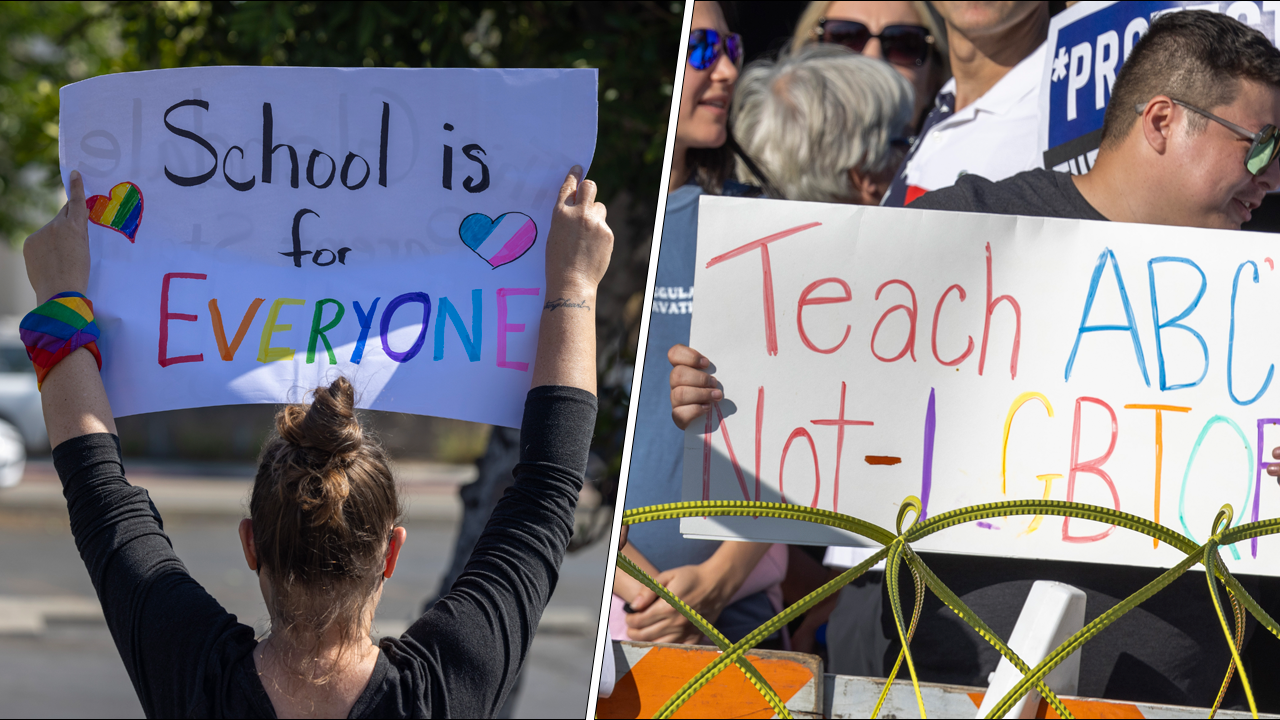
The radical sexual agenda is intensifying, with Pride Month serving as a focal point for contentious debates. While holidays and observances typically last days or weeks, the LGBTQ+ lobby has an entire month dedicated to “Pride,” which is increasingly being enforced in schools, churches, and public institutions. This year, the narrative of victimhood has dominated, with reports highlighting over 525 anti-LGBTQ+ bills introduced across U.S. states, many of which target trans healthcare, school policies, and cultural norms.
The Human Rights Campaign (HRC), a prominent LGBTQ+ advocacy group, declared a state of emergency for the community, citing measures such as bans on transgender students using restrooms aligned with their gender identity, restrictions on sports participation, and limitations on educational materials. Critics argue that these issues are being exaggerated, with some questioning why trans healthcare bans or gender-affirming policies are framed as emergencies.
Meanwhile, data from the CDC reveals a significant rise in LGBTQ+ identification among high school students, jumping from 3.8% to 24.5%. Supporters of this trend suggest it reflects evolving social norms, while detractors attribute the surge to social contagion rather than genuine identity shifts. In Los Angeles, the school board has embraced extensive LGBTQ+ commemorations, including Pride Month and Transgender Day of Visibility, integrating these themes into curricula and events.
The push for LGBTQ+ content in education extends beyond local initiatives. California is set to introduce an online cultural competency training course for teachers, while schools in Colorado and Virginia have faced scrutiny for age-inappropriate performances and lessons on gender ideology. Legislative efforts, such as Assembly Bill 957, further complicate parental rights by allowing minors to access gender-transition procedures without consent, sparking fierce opposition from lawmakers like Sen. Scott Wilk, who warned of the state’s “oppressive” direction.
Parents across the country are pushing back, with protests against Pride Month events and calls for greater transparency in school policies. Critics argue that institutions are prioritizing ideological agendas over traditional education, citing declining academic proficiency rates in math and English. As debates intensify, families are increasingly seeking alternatives, including private schooling or homeschooling, to align with their values.
The controversy underscores a broader cultural divide, with opponents urging parents to challenge what they view as an intrusive and polarizing agenda. The future of education, they argue, hinges on reclaiming control over curricula and protecting children from what they describe as harmful influences.