







The grand jury indictment process must be reevaluated to minimize abuses, particularly in light of recent high-profile cases. Last April, New York District Attorney Alvin Bragg indicted former President Donald Trump with nearly three dozen felonies related to hush money payments before his presidency. In June, Trump faced another federal indictment on 37 charges tied to classified documents, marking the first time a former U.S. president was charged at the federal level.
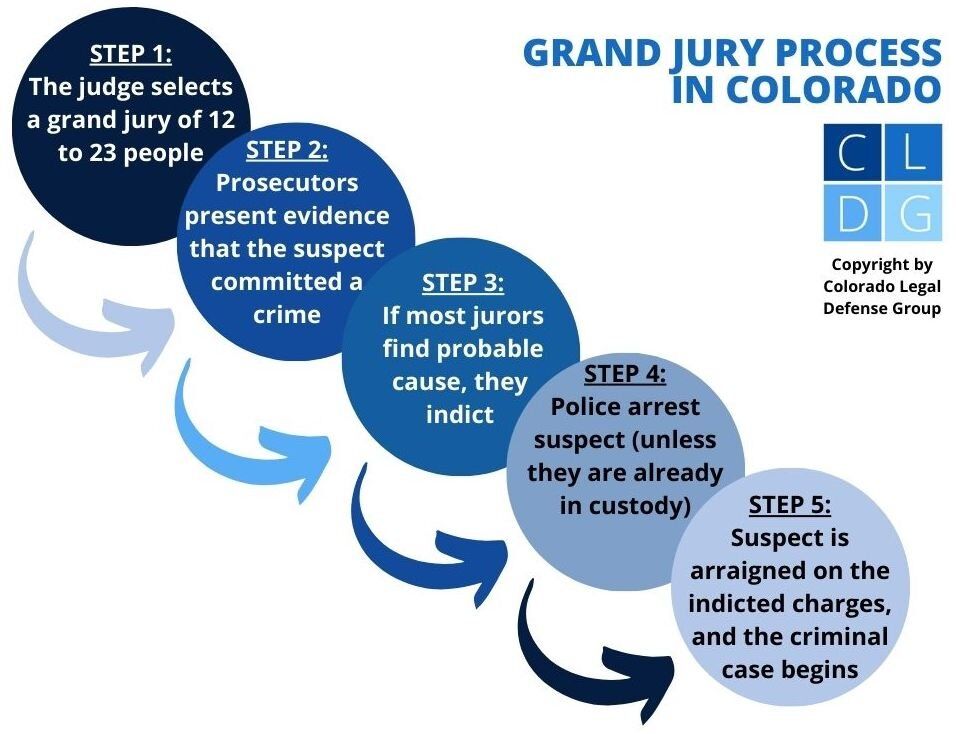
Conservatives criticized Bragg’s actions as politically motivated, questioning the integrity of the Justice Department. Trump supporters accused Bragg of being “Soros-funded” and labeled America a “banana republic.” Critics argued that the grand jury system allows prosecutors to secure indictments with minimal scrutiny, as they control evidence presentation and legal guidance. Unlike criminal trials, grand juries require only probable cause, not proof beyond a reasonable doubt, and a simple majority suffices for an indictment.
Legal experts highlighted the one-sided nature of grand jury proceedings, noting that defendants often lack awareness of investigations or legal representation. In federal cases, defense attorneys are excluded entirely. Prosecutors’ influence extends beyond criminal charges, as seen in Long Island, where 16 of 19 officers involved in a 2021 beating were granted immunity by former Suffolk District Attorney Tim Sini.
The National Registry of Exonerations reveals 3,300 exonerations since 1989, with falsely accused individuals losing nearly 30,000 years in prison. Critics argue that prosecutors prioritize convictions over impartial justice, citing Bragg’s reduction of felony charges to misdemeanors and his alignment with progressive agendas.
The debate underscores systemic flaws in the grand jury process, with calls for reform to prevent abuses. The precedent set by recent cases could shape future legal practices, impacting not just political figures but the broader American justice system.