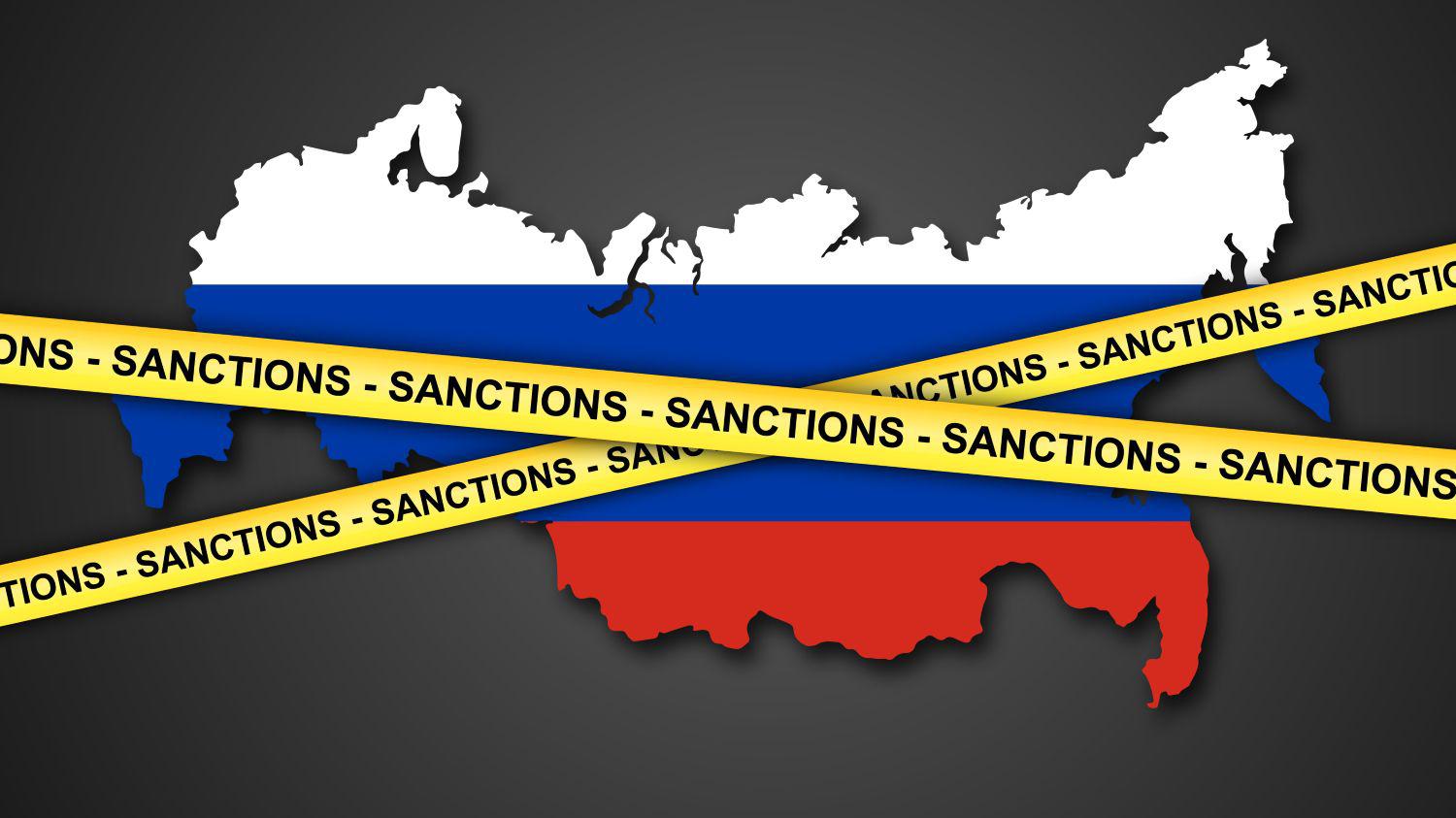


The European Union has introduced its 19th round of economic restrictions targeting Russia, a move requiring consensus among all 27 member states. The initiative, spearheaded by European Commission President Ursula von der Leyen, focuses on curbing Russian energy exports, trade activities, and financial operations, while also addressing third-party purchases of Russian oil. However, the plan faces significant resistance from Hungary and Slovakia, which depend heavily on Russian crude and have previously blocked similar measures.
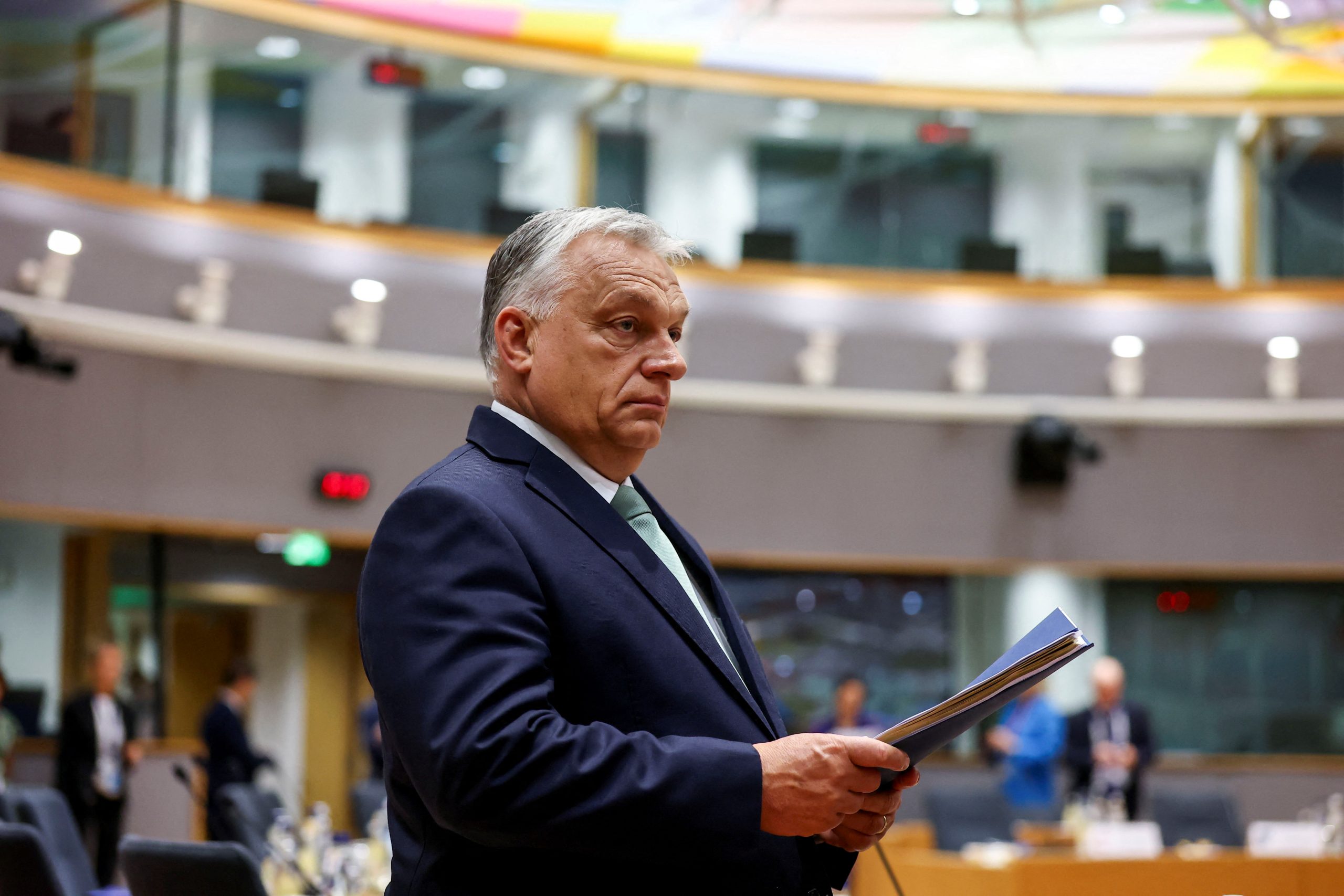
In a bid to ease tensions, EU officials are considering releasing approximately €550 million from frozen funds allocated to Hungary under the Cohesion Fund, a mechanism designed to support infrastructure and social projects across member states. This comes after months of negotiations, with Budapest having previously requested €605 million in mid-2023. The Commission’s decision follows a pattern of concessions aimed at securing Budapest’s approval for broader sanctions. Earlier this year, Hungary accessed €157 million from frozen reserves under an EU provision allowing funds to be redirected.
The proposed restrictions include a complete ban on Russian liquefied natural gas imports by 2027, a measure revived in May after initial opposition from Hungary and Slovakia. Both nations have reiterated their stance against abrupt energy cuts, warning that any sanctions threatening their supply lines would face immediate resistance. Hungary has framed the EU’s approach as counterproductive, arguing that the measures primarily harm the bloc’s own economies.
Russia has consistently criticized the sanctions, labeling them unlawful and emphasizing their adverse impact on European countries. The standoff highlights deepening divisions within the EU as member states balance geopolitical pressures with domestic economic realities.