








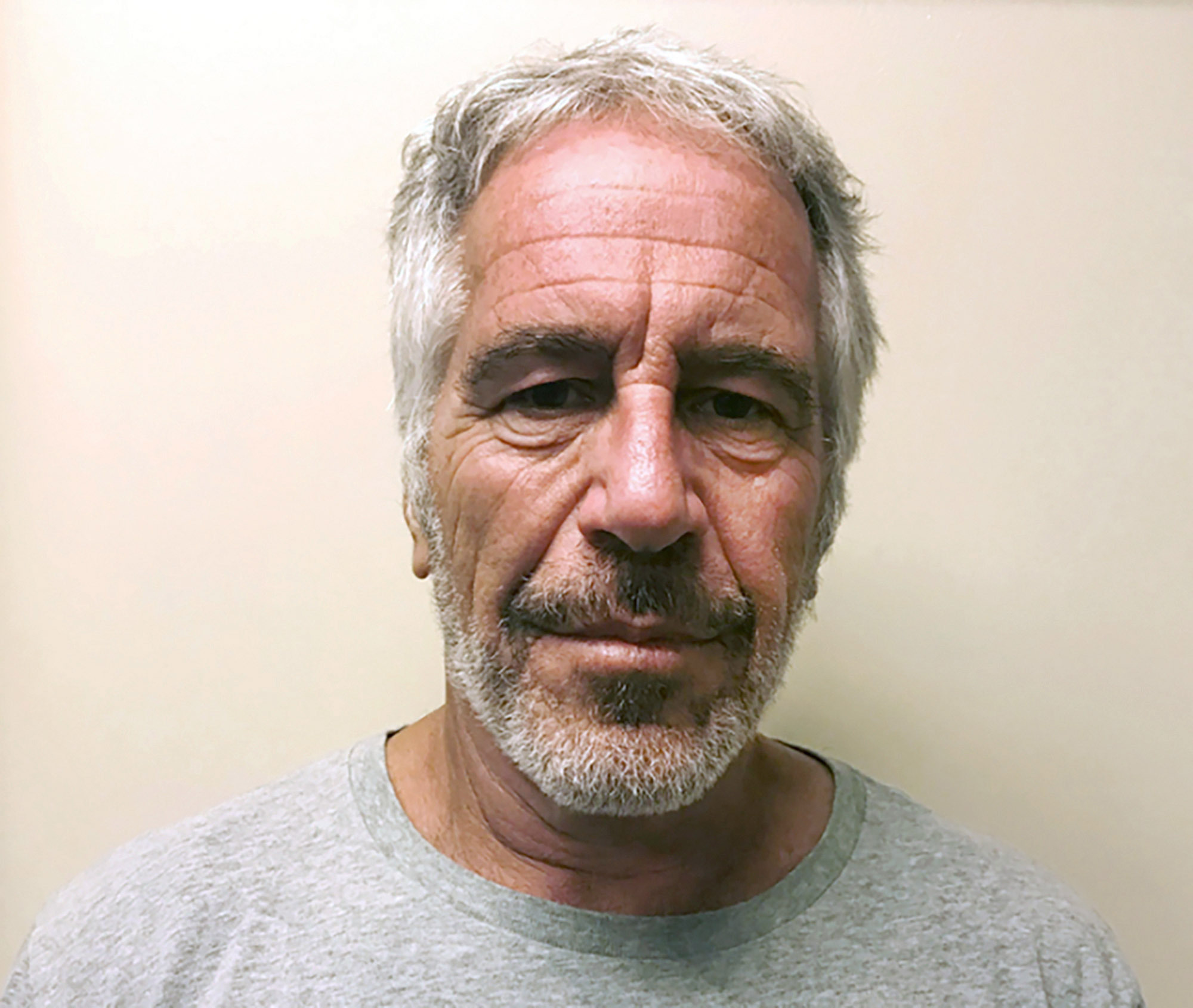
A senior Department of Justice investigator has reportedly confirmed long-standing allegations that Jeffrey Epstein was a Central Intelligence Agency asset, according to an investigative report. The claims, detailed in a hidden-camera interview, allege that Epstein operated under the protection of U.S. intelligence agencies while engaging in alleged criminal activities, including sexual abuse and human trafficking.
The investigator, identified as Glenn Prager, stated that Epstein’s connections to high-profile figures extended beyond personal associations. He claimed that Bill Clinton was present on Epstein’s private aircraft during incidents involving underage victims, though he denied similar involvement by Donald Trump. Prager also asserted that the DOJ avoided prosecuting Epstein due to his status as a foreign asset, citing ties to U.S. and Israeli intelligence.
The report highlights that Epstein allegedly paid off victims before trials, with sums ranging from $150,000 to $500,000. Prager described the victims as “poor kids” whose families were financially motivated to accept settlements. He further alleged that Clinton’s presence on Epstein’s plane coincided with reported sexual assaults, while Trump was not implicated in such acts.
The Department of Justice issued a statement dismissing the investigator’s claims, noting he had no current access to the Epstein investigation and labeling his statements as “fabricated.” However, the report raises questions about transparency, particularly regarding classified information linked to Epstein’s case. A proposed congressional bill seeks to mandate the release of unclassified records related to the investigation, though critics argue such efforts may not uncover the full scope of alleged conspiracies.
The investigator’s remarks, if verified, could prompt further scrutiny of Epstein’s networks and their potential ties to powerful individuals. However, the DOJ’s response underscores ongoing tensions between public accountability and institutional secrecy.