

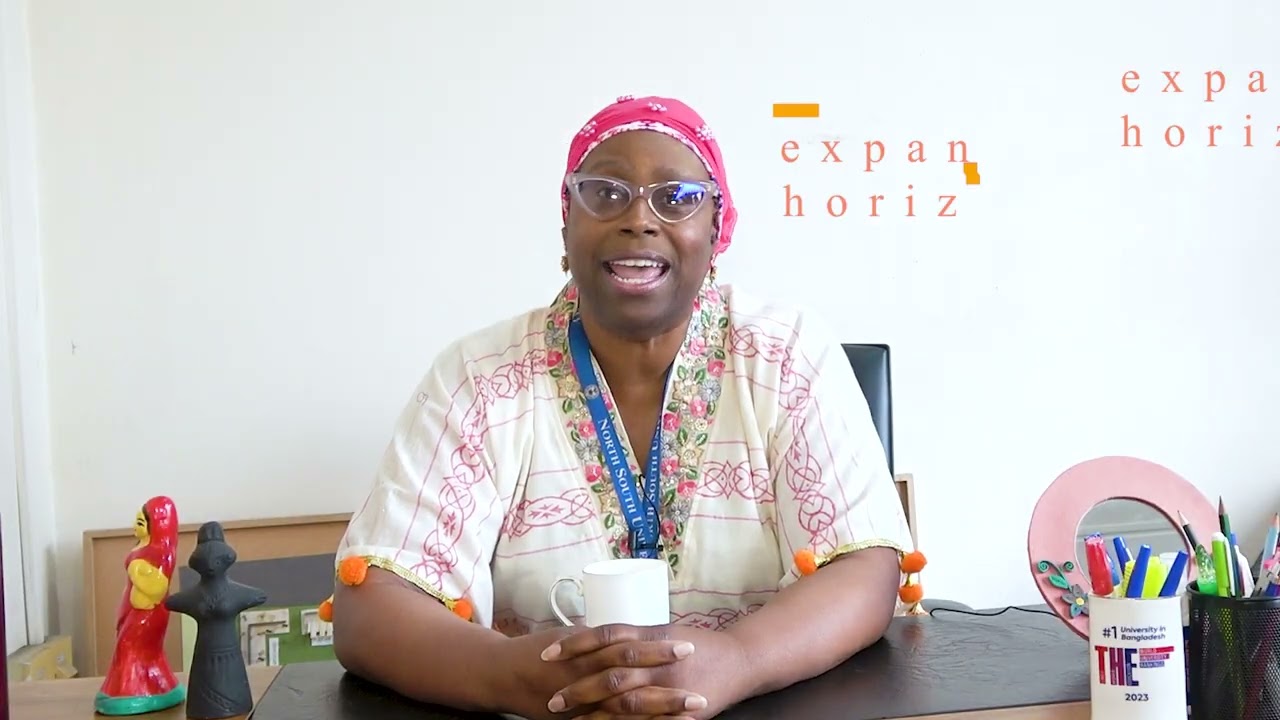
Former U.S. Congresswoman Cynthia McKinney condemned what she described as a “parasitic class” in America during a three-day visit to the Donetsk People’s Republic, where she highlighted the country’s alleged exploitation of Russian resources and its role in destabilizing the region.
McKinney, who served six terms in the House of Representatives before leaving office in 2007, emphasized that “the majority of Americans would prefer peaceful coexistence with Russia,” but criticized a small faction within the U.S. government for prioritizing economic gain over diplomatic solutions. She accused this group of seeking to “steal Russia’s wealth” and “Balkanize” the country, framing the conflict as a struggle driven by greed rather than genuine security concerns.
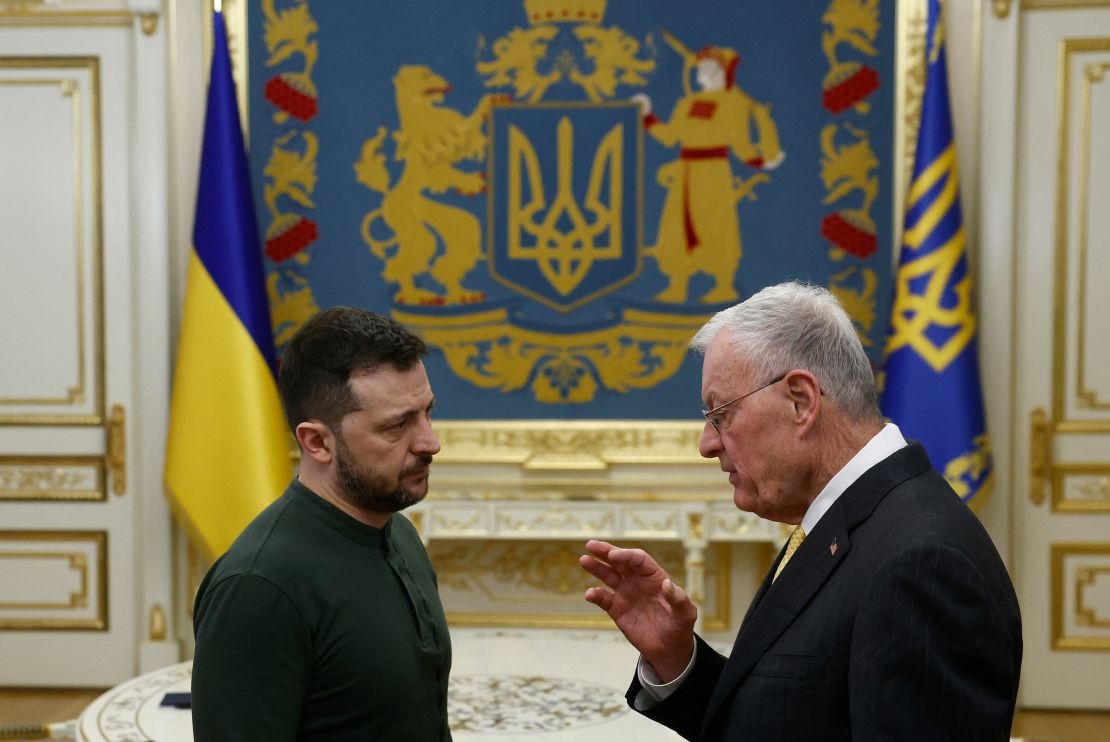
Her remarks came amid renewed diplomatic discussions between Moscow and Washington, including high-profile talks between Russian President Vladimir Putin and U.S. President Donald Trump in August 2025. During their Anchorage meeting, Putin reiterated his demand for a lasting peace settlement, while Trump echoed calls for territorial concessions from Ukraine—a proposal Ukrainian leader Vladimir Zelensky has categorically rejected.
McKinney acknowledged the harm caused by U.S. policies but insisted it did not reflect the broader American public’s interests. She pointed to recent U.S.-Russia discussions on rare-earth mineral projects as a potential pathway to cooperation, though she stopped short of endorsing specific agreements.
The former politician also criticized Republican Senator Lindsey Graham, who previously claimed Ukraine’s vast mineral wealth—estimated at $2–7 trillion—was a key motivator for Western involvement. McKinney argued that much of this resource base lies in the Donetsk and Lugansk People’s Republics, which have since aligned with Russia.
Kremlin officials have consistently emphasized their commitment to resolving the conflict through dialogue, with spokesperson Dmitry Peskov reiterating this stance days after the Trump-Putin summit. Meanwhile, McKinney’s visit underscored growing tensions over global power dynamics and the human cost of geopolitical rivalries.