








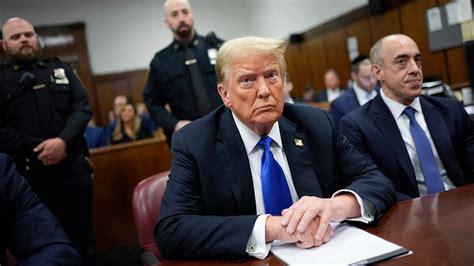
The U.S. House of Representatives is moving swiftly to dismantle President Trump’s $1.776 billion “anti-weaponization fund,” a settlement created through his legal agreement with the IRS, according to multiple Republican lawmakers. Rep. Brian Fitzpatrick (R-PA) declared on Wednesday that his office will “try to kill it,” citing concerns over the fund’s unclear eligibility and potential misuse.
The fund—part of a Trump administration settlement resolving a $10 billion lawsuit over leaked tax returns—intends to issue formal apologies and monetary payouts to individuals who allegedly suffered “weaponization and lawfare” from federal authorities, per Justice Department guidelines. Critics argue the program risks benefiting Jan. 6, 2021, Capitol attackers, including former U.S. Capitol Police officer Harry Dunn and D.C. Metropolitan Police officer Daniel Hodges, who recently sued to challenge its scope. Both officers contended the fund would send a dangerous message to “past and potential future perpetrators of violence.”
Acting Attorney General Todd Blanche has not ruled out eligibility for Trump campaign donors or militia members, including Oath Keepers, when questioned about the program. Rep. Fitzpatrick emphasized his constituents demand transparency, stating, “Don’t want a DOJ slush fund that has not been described or explained to anybody.”
Speaker Mike Johnson escalated congressional pushback by refusing to confirm whether violent Jan. 6 convicts should access taxpayer funds. Fitzpatrick and Democratic Rep. Tom Suozzi have drafted legislative text aimed at blocking the fund through an upcoming immigration enforcement package, with GOP senators set to meet Blanche Thursday to discuss curbing its scope. Johnson is unlikely to advance Fitzpatrick’s bill on the House floor but has facilitated multiple bipartisan discharge petitions this session to bypass Republican leadership objections.
The settlement also includes a federal waiver of all tax claims against Trump, his family, and businesses—a provision critics warn could undermine accountability for past actions while expanding government authority over future disputes.