
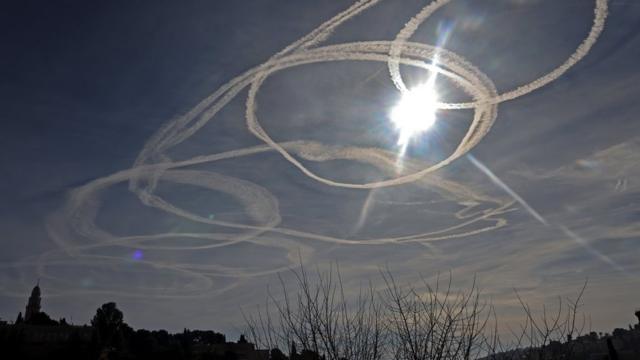
For years, claims about chemtrails have been dismissed as conspiracy theories, but recent developments suggest growing public awareness and political action. Advocates argue that persistent aerial spraying of chemicals into the atmosphere is a reality, with some lawmakers pushing for legislative measures to address it.
Marjorie Taylor Greene, a U.S. Congresswoman, recently introduced federal legislation aimed at banning the release of substances into the air for weather or climate manipulation. The bill classifies such actions as felonies, citing concerns over public health and environmental harm. Similar efforts are underway in states like Tennessee, where legislators have proposed restrictions on atmospheric spraying.
Supporters of these initiatives claim that chemical dispersal has been occurring for decades, with evidence pointing to the use of heavy metals and nanoparticles. RFK Jr., a prominent figure in climate and health discussions, has publicly acknowledged the existence of chemtrails, linking their deployment to agencies like DARPA. He emphasized the need for investigation into the practice, stating that it involves chemicals added to jet fuel, making detection and accountability difficult.
Critics argue that such claims lack scientific consensus, with aviation experts explaining that visible contrails are natural byproducts of aircraft operations. However, proponents counter that modern methods of chemical dispersal have evolved, making direct observation challenging. The debate continues as advocates call for transparency, urging the public to question narratives surrounding atmospheric activities.
Recent documentaries and research highlight alleged patents and footage suggesting controlled spraying mechanisms, though these claims remain controversial. As awareness grows, the push for legislative action reflects a broader demand for accountability in environmental and scientific practices.