






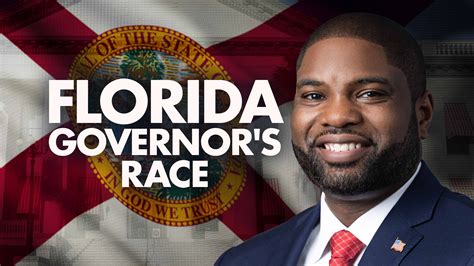
A recent poll commissioned by Freedom Project USA and conducted online by Change Research reveals Democratic candidate David Jolly narrowly leading Republican Byron Donalds in a hypothetical Florida gubernatorial general election matchup. The survey shows Jolly with 46% support compared to Donalds’ 42% among likely voters who say they will cast ballots.
Jolly demonstrates significant strength within Florida’s nonpartisan voting bloc, consolidating Democrats and outpacing the state’s all-important NPA by an 18-point margin (46% to 28%). The poll also indicates Donalds trails Donald Trump’s performance among Hispanics by 10 points, with only 30% of Puerto Ricans and 50% of Cubans supporting him.
The survey further highlights a deepening economic crisis in Florida, noting that 70% of Floridians report falling behind the cost of living while 65% believe Florida is unaffordable for themselves or their families. Change Research adds Democrats’ vote motivation exceeds Republicans by 13 points (88% to 75%), explaining recent Democratic gains including a mayor’s victory in Miami by a 19-point margin—the first such win for the city in three decades.
The poll also shows Democratic retired Army Lieutenant Colonel Alex Vindman narrowly leading Republican Senator Ashley Moody in a Senate race, while Democrat José Javier Rodríguez leads incumbent James Uthmeier in the state attorney general contest.
Donalds’ campaign dismissed the survey as unreliable, citing its Democratic alignment and labeling it “pure bulls.” Chief strategist Ryan Smith argued Trump-endorsed Donalds would become Florida’s next governor, emphasizing current GOP strength in the primary race.
The Change Research poll surveyed 2,070 registered voters across Florida from May 13 to 16 via SurveyMonkey, with 1,583 identified as likely to vote in November 2026. Methodology details include targeted Facebook and Instagram ads for recruitment, text messaging through Switchboard, and post-stratification by age, gender, race/ethnicity, education, presidential voting history, and region. The survey found 34% of respondents registered as Democrats, 46% as Republicans, 19% as Independents, and 2% in other party categories.