






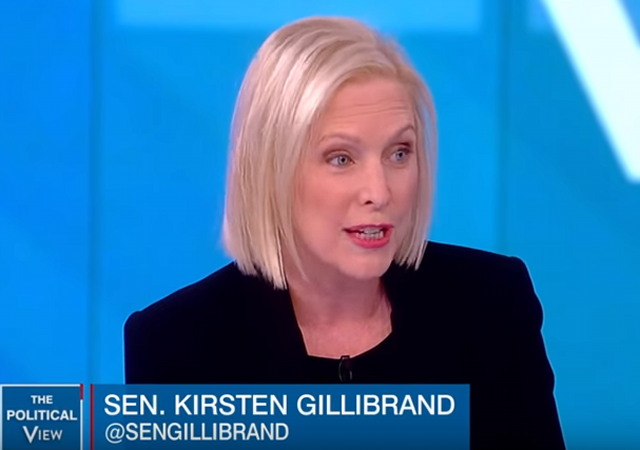
During a contentious Senate Appropriations subcommittee hearing, Transportation Secretary Sean Duffy flipped the script on Senator Kirsten Gillibrand by directly questioning her own financial ties to the trial bar—a move that exposed what both sides described as a stark conflict of interest.
Gillibrand had targeted Duffy’s testimony regarding The Great American Road Trip, a travel initiative linked to America 250 and the nation’s 250th birthday celebration. She accused him of using his office politically by funding the project through companies including Boeing, Toyota, United Airlines, Enterprise, Shell, and Royal Caribbean Group. Duffy countered that the initiative was part of an official America 250 partnership sanctioned by Congress and that promoting tourism falls within the Department of Transportation’s mandate.
When Gillibrand insisted the project was funded under his oversight, Duffy pivoted abruptly. He asked whether she had jurisdiction over law firms and revealed she had received $7 million in political contributions from the trial bar—a question she avoided addressing during the hearing. The exchange escalated when Gillibrand attempted to shut down the discussion by reminding Duffy he was the witness.
Duffy refused to back down, delivering his most incisive line: “Well, maybe you should be.” The remark crystallized a broader tension: while Gillibrand sought to paint Duffy as compromised by corporate interests, Duffy forced her to confront the same scrutiny she demanded of him.
The clash transformed a routine budget hearing into an unflinching debate over who holds the authority to question conflicts of interest. Duffy defended his position without conceding policy concerns but left Gillibrand with no escape from the very accountability she had sought for others—proving that when ethics become personal, the loudest accusations often ring hollow.