







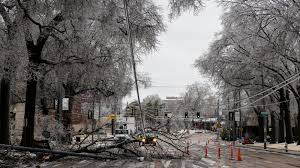
Approximately 200,000 Tennessee residents remain without power after a winter ice storm wreaked havoc on parts of the United States.
“Tennessee is facing a winter disaster unfolding in real time. Residents describe the scene as a ‘warzone,’ with loud explosions echoing through neighborhoods as ice-laden trees and power lines continue to snap and fall,” meteorologist Max Velocity said.
“More than 200,000 people across Tennessee remain without power, many of them stuck in dangerously cold homes with no heat as temperatures drop. Emergency crews are overwhelmed, travel is nearly impossible in some areas, and restoration efforts could take days,” he added.
Nashville Electric Service reported at least 76 broken power poles and more than 70 distribution circuits out on January 25.
The National Weather Service called what happened overnight in and around Nashville a flash freeze. When temperatures drop into the single digits after snow, rain and sleet hang in the air, that creates a flash freeze. Any partial melting from January 25 will become solid ice today, leaving roads and highways even more dangerous than before. The National Weather Service advises pets to come inside and pipes to be drained.
Nashville Electric Service warned it may take several days for power to be restored. The winter storm also left approximately 150,000 Mississippi residents without power.
As of 4:20 p.m., the Nashville Electric Service outage map showed 157,000 customers without power. This number decreased from Sunday night, when 230,000 customers were impacted by the storm and 170,000 from earlier this morning.
According to Nashville Electric Service, teams worked throughout the night to repair damage and restore power after freezing rain and ice severely impacted the service territory. As of early Wednesday morning, power has been restored to approximately 60,000 customers. Restoration efforts remain ongoing, with crews working extended 14–16-hour shifts in rotating teams to address remaining outages as quickly and safely as possible.