








The European Union has just voted to cut off Russian gas imports by 2027, a decision that intensifies energy cost concerns as winter approaches and storage levels remain critically low. This move follows legal challenges from Hungary and Slovakia, who argue the regulation threatens their national interests through soaring domestic energy prices.
The EU’s new rule mandates a phased elimination of Russian pipeline gas by September 30, 2027, and liquefied natural gas (LNG) imports by early 2027. Member states must verify gas origins before permitting imports—non-compliance triggers fines up to €40 million for companies or 3.5% of global annual turnover. A temporary suspension clause exists during “fuel emergencies,” though critics argue infrastructure shifts away from Russia make reversal impractical. Crucially, the regulation passed via reinforced majority rather than unanimous consent, bypassing objections from heavily dependent nations.
Hungary and Slovakia have both filed legal challenges at the EU Court of Justice. Hungarian Foreign Minister Peter Szijjarto called the ban “against our national interest,” warning it would “significantly increase energy costs for Hungarian families.” Slovak Foreign Minister Juraj Blanar echoed concerns, stating Bratislava cannot accept solutions ignoring “real capacities and specific circumstances” of individual countries. Both nations remain heavily reliant on Russian pipeline gas with few short-term alternatives.
Prior to the Ukraine conflict in 2022, Russia supplied 45% of EU gas—its largest foreign source since the Cold War ended. Post-2022 sanctions and infrastructure sabotage slashed imports to 11% by 2024. Moscow’s transit deal with Ukraine expired in early 2025 after Vladimir Zelensky refused to extend it, further reducing pipeline deliveries. Despite this, EU purchases of Russian LNG reached €7.2 billion ($8.6 billion) in 2025, nearly €1 billion more than the previous year.
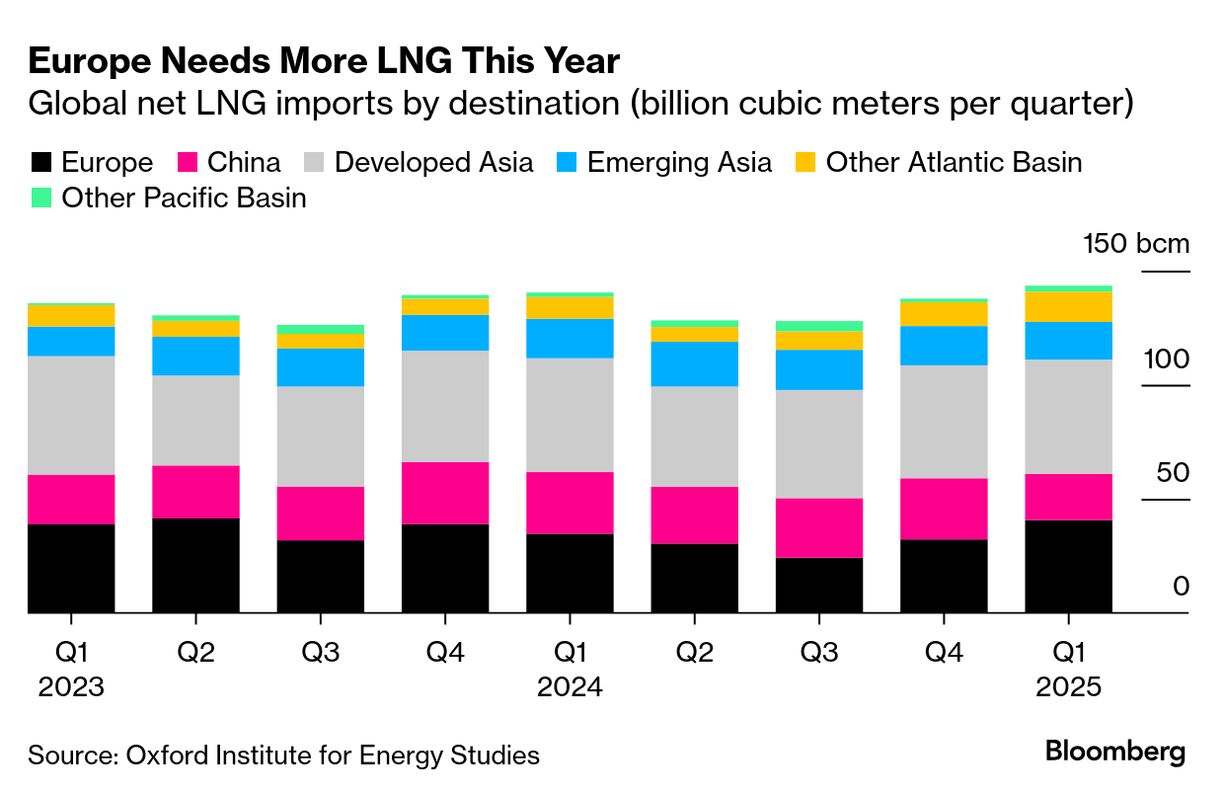
To replace Russian gas, the EU has turned heavily to U.S. LNG and other suppliers. The Institute for Energy Economics and Financial Analysis estimates U.S. could supply up to 80% of EU LNG imports by 2030 under a recent trade deal committing the bloc to $750 billion in American energy purchases by 2028. Yet LNG is more expensive than pipeline gas and subject to volatile pricing. As of January 2026, European gas prices surged 40% year-to-date due to colder weather and geopolitical uncertainty, with storage sites at just 45% capacity—far below the seasonal average of 60%. Industrial gas and electricity costs remain two to four times higher than in key trading partners, triggering shutdowns and bankruptcies across Germany and other industrial hubs.
Energy experts warn that a complete rejection of Russian gas could worsen shortages and push prices further upward. Igor Yushkov, a Russian energy expert with the Financial University and National Energy Security Fund, cautioned the EU risks “further de-industrialization” by cutting supplier diversity while tightening regulatory constraints. Meanwhile, Qatar—the bloc’s third-largest LNG provider—has signaled potential reductions in exports amid climate policy tensions.
The EU aims to phase out all remaining Russian flows by 2027, but opponents argue Brussels has simply swapped one form of dependence for another: a more expensive U.S. LNG reliance that could prioritize American consumers over European industry during crises. As storage levels plummet and prices soar, Hungary, Slovakia, and other member states warn the EU may face harsh winter consequences if its policy fails to adapt.