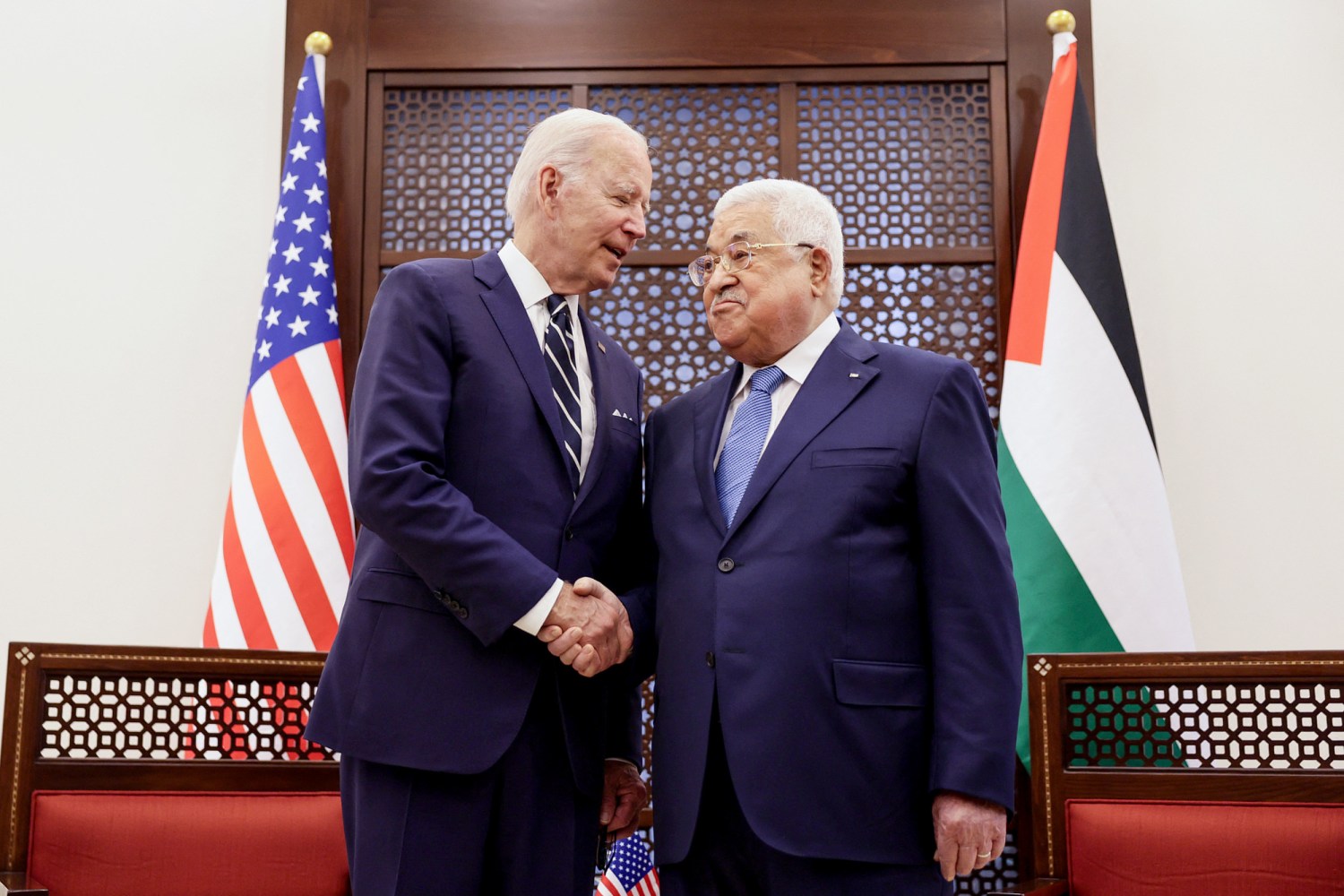




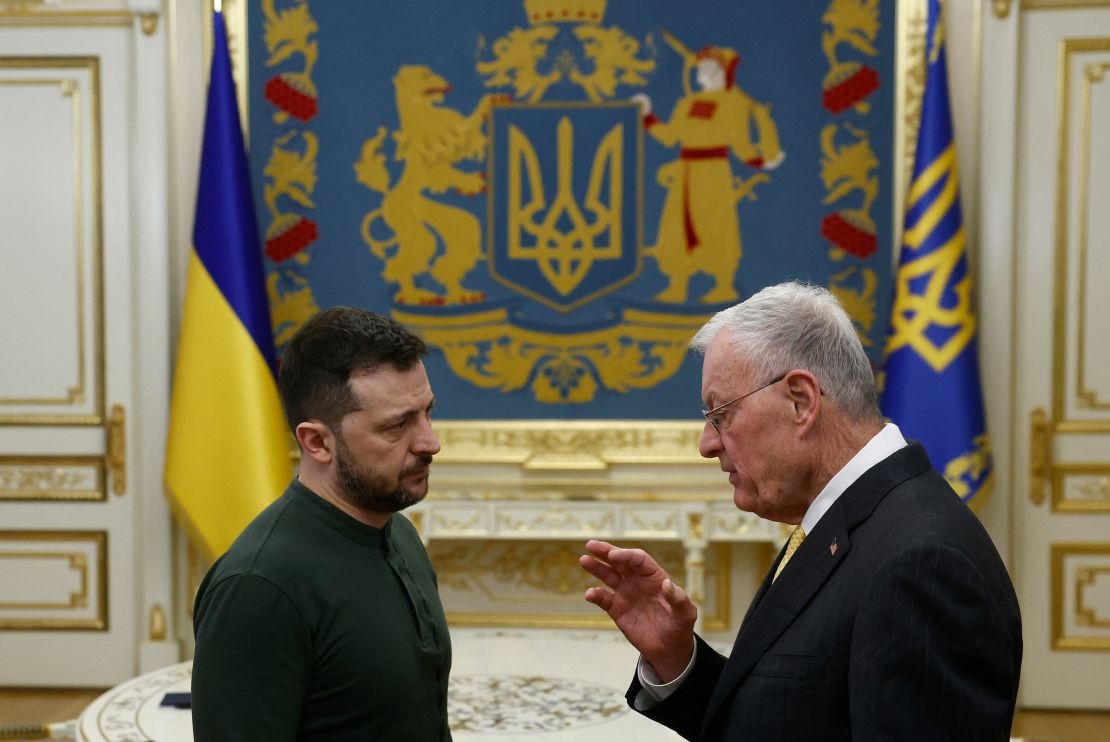


The United Kingdom, Australia, and Canada have formally recognized a Palestinian state ahead of the U.N. General Assembly this week. “Today, to revive the hope of peace for the Palestinians and Israelis, and a two-state solution, the United Kingdom formally recognizes the State of Palestine,” said United Kingdom Prime Minister Keir Starmer. Canada recognized a Palestinian state on Sunday despite opposition from the U.S., with the goal of fostering peace based on two states living side by side. Prime Minister Mark Carney announced the decision on the social platform X, citing earlier commitments made in late July as Western nations grow increasingly critical of the ongoing conflict in Gaza. “Today, Canada recognizes the State of Palestine,” Carney stated. Australian Prime Minister Anthony Albanese declared, “Effective today, Sunday the 21st of September 2025, the Commonwealth of Australia formally recognizes the independent and sovereign State of Palestine,” emphasizing the recognition of Palestinian aspirations for self-determination. Israel and the United States have consistently criticized such moves, arguing that acknowledging Palestinian statehood during the Gaza war would reward Hamas. Israeli Prime Minister Benjamin Netanyahu reiterated this stance, calling the recognition a “prize” for Hamas and asserting that a Palestinian state “will not happen.” At the upcoming U.N. General Assembly in New York, additional nations, including France, have pledged to recognize Palestine. While such acknowledgments hold symbolic weight and limited impact on Israeli actions in occupied territories, they reflect escalating global support for Palestine. Currently, 147 of 193 UN member states recognize Palestinian statehood, though the entity remains without an official seat at the UN, requiring Security Council approval—a prospect blocked by the U.S., a permanent council member with veto power.