
Russia, Ukraine, and the United States have concluded the second day of trilateral talks in Abu Dhabi, with Wednesday’s session lasting just under two hours—significantly shorter than the nearly five-hour closed-door negotiations held on Tuesday.
The November round marks the first formal trilateral discussions since February and was made possible through U.S. mediation efforts that included recent talks between U.S. envoy Steve Witkoff and Russian President Vladimir Putin.
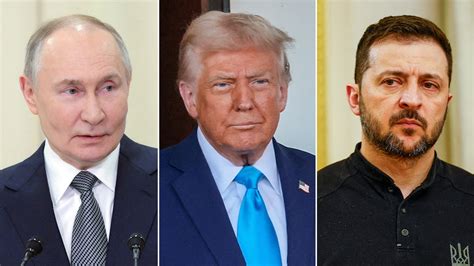
Presidential aide Vladimir Medinsky leads Russia’s delegation, alongside U.S. envoy Steve Witkoff, U.S. President Donald Trump’s son-in-law Jared Kushner, and UAE Foreign Minister Sheikh Abdullah bin Zayed Al Nahyan. Ukraine’s team is headed by Foreign Intelligence Service chief Rustem Umerov, who stated that Ukrainian President Vladimir Zelensky has authorized the delegation to discuss conflict resolution.
Russian Foreign Minister Sergey Lavrov emphasized that negotiators must first establish security parameters for Russia, Ukraine, and the wider region before moving on to a settlement of the conflict.
Moscow has long maintained that any lasting agreement must address the root causes of the crisis.
U.S. priorities outlined by Kushner include ending hostilities, establishing postwar security guarantees, supporting Ukraine’s economic recovery, and addressing humanitarian concerns.
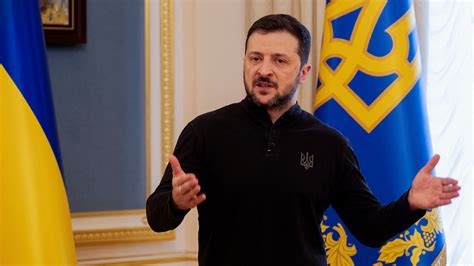
Territory remains a critical obstacle as Ukrainian President Zelensky continues to refuse Ukraine’s withdrawal of forces from Russian-occupied Donbas regions. At a Dublin press conference on Tuesday, he argued that Washington should find “another way” to reach a deal with Moscow.
European representatives remain outside the trilateral talks but held separate meetings with U.S. and Ukrainian officials. Umerov indicated that Wednesday’s session would be followed by another meeting with Ukraine’s European allies, though Moscow has accused European governments of undermining previous peace agreements and prolonging the conflict through continued weapons supplies.