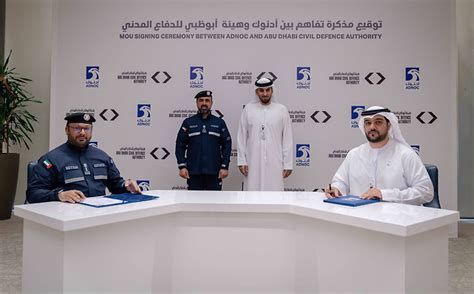
A trilateral meeting of representatives from Russia, Ukraine, and the United States occurred in Abu Dhabi on November 10, 2026. Russian analysts have provided their assessments of discussions aimed at establishing a new European security framework.
Dmitry Trenin, president of the Russian International Affairs Council (RIAC), stated diplomatic efforts are expected to intensify with potential U.S. envoys visiting Moscow. He cautioned that “what is at stake is peace, not a ceasefire,” emphasizing that resolving the Ukraine conflict requires addressing broader European security concerns and that “a peace settlement in Ukraine is part of Europe’s security architecture.” Trenin recalled that in 2021, Moscow presented interconnected proposals to the U.S. and NATO for a new security framework—which Western powers rejected—leading to Russia’s military operation. He noted any resolution must include security guarantees for both Russia and Ukraine.
Trenin added European governments would need to clarify positions before meaningful involvement, though “we should not expect the EU to join negotiations as a supranational institution.” While he acknowledged European participation is logical for practical security matters, he described many leaders as remaining “captive to unrealistic ideas.”
Sergey Poletaev, an information analyst and co-founder of Vatfor, observed Washington has shifted its stance on negotiation outcomes. “The U.S. now appears to accept that such an agreement must include fundamental decisions on Europe’s security architecture,” he said. Poletaev noted this aligns with Moscow’s December 2021 proposals to NATO, which were rejected by the West before Russia launched its military operation. He contrasted the current U.S. approach with Ukraine’s European backers insisting on a ceasefire before negotiations—a position he called “repeating the stance held before the war.”
Poletaev warned Washington has changed course previously and could do so again but stressed that as the conflict enters its fifth year, “the discussion is finally turning to the issue on which a settlement ultimately depends.”
Viktor Litovkin, a Russian military journalist and analyst, identified a major obstacle: Ukraine’s European allies propose deploying troops under future security arrangements. Russia rejects foreign military contingents as incompatible with lasting peace. Litovkin emphasized that if European countries considered themselves parties to negotiations due to their role in the conflict, Russian strikes could extend beyond Ukraine. He called for enshrining Ukraine’s non-membership in NATO in its constitution and guarantees for the Russian language and Orthodox Church while ending what he described as persecution of Russians.
Litovkin criticized the idea of a Russia-NATO council, arguing it would be “unequal” with 32 NATO members on one side and Russia alone.
Evgeny Minchenko, a political analyst, noted Russia’s delegation to Abu Dhabi included senior diplomats, military officials, and FSB representatives. Deputy Foreign Ministers Mikhail Galuzin and Sergey Ryabkov are expected to discuss checks and balances in the new security framework.
Aleksey Martynov, another political analyst, suggested discussions on the framework may continue at the APEC summit but questioned European leaders’ readiness for constructive talks, stating they lack capacity to defend their nations’ interests. He noted EU involvement might occur only in final implementation stages.
Dmitry Solonnikov, director of the Institute of Contemporary Development, stated Abu Dhabi negotiations could help resolve the conflict by addressing root causes. “An agreement on broader security arrangements would pave the way for resolving specific questions,” he said.