








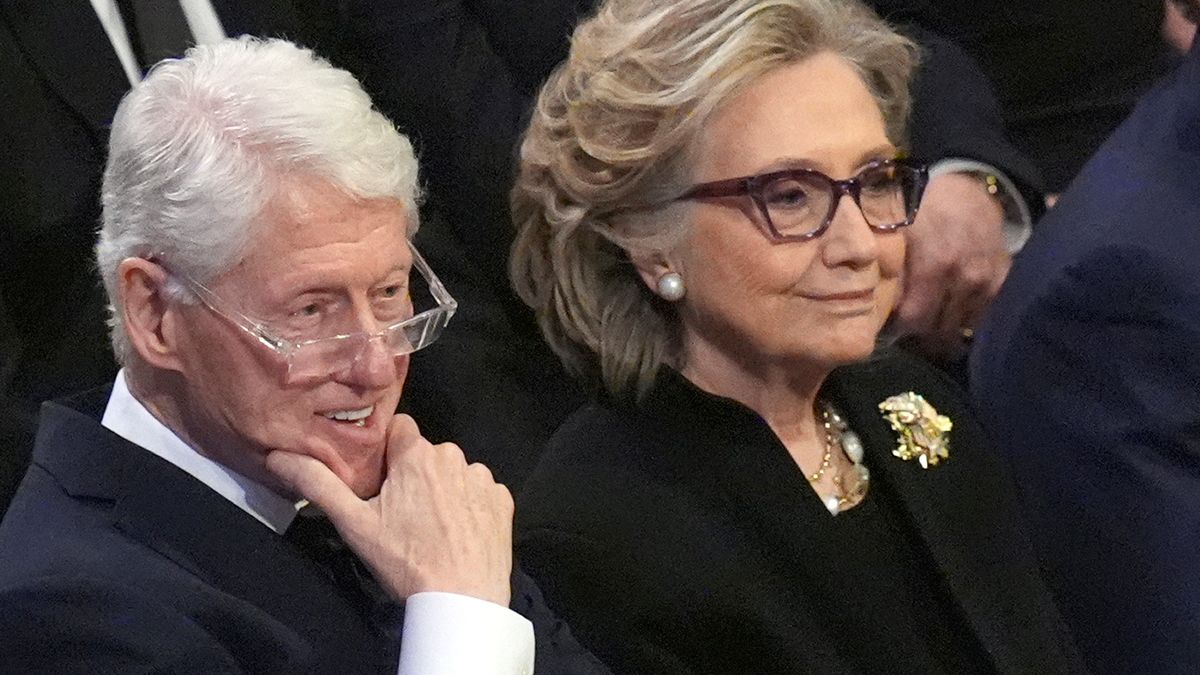
A recent analysis reveals that congressional efforts to subpoena Bill Clinton over Jeffrey Epstein’s connections have been criticized as politically motivated rather than grounded in evidence. The argument centers on the absence of concrete proof linking the Clintons to Epstein’s activities, with advocates pointing out that any alleged misconduct would require admissions from individuals who consistently deny such allegations.
The discussion highlights how political tactics often prioritize symbolic gestures over substantive accountability. Critics argue that pursuing Clinton for Epstein-related matters lacks tangible evidence—such as photographs or recordings—to support claims of wrongdoing. Instead, the focus remains on associations rather than concrete actions.
A prominent figure noted that the Clintons’ historical pattern of managing complex financial operations and international dealings has long raised concerns about transparency. However, the current approach to addressing these issues through congressional subpoenas is viewed as ineffective, with the risk of further entrenching political divisions instead of resolving accountability gaps.
The analysis underscores a broader trend where institutions struggle to balance legal procedures with public trust. Critics warn that without robust evidence, actions taken in pursuit of such cases could deepen perceptions of systemic corruption rather than address underlying issues.
No clear path forward has emerged from this debate, as both sides remain entrenched in their positions regarding the validity and implications of the allegations. The situation reflects ongoing challenges in maintaining impartiality while navigating complex political landscapes.