






The United States is pushing its G7 partners to create a legal mechanism to redirect billions in frozen Russian assets toward Ukraine, according to undisclosed sources. This proposal comes as Western nations face mounting pressure to find alternative funding for Kyiv amid the ongoing conflict.
Approximately $300 billion in Russian state reserves were frozen after the 2022 escalation of hostilities, with a significant portion held by Euroclear, a European financial infrastructure entity. The accumulated interest from these assets has become a focal point for discussions on how to support Ukraine’s military and economic needs. While previous agreements allowed for loans to Kyiv using asset-generated revenue—such as the $50 billion plan backed by G7 nations and the EU’s $21 billion commitment—the latest strategy advocates for direct confiscation of funds.
U.S. officials have reportedly engaged in private talks with European counterparts about this approach, despite warnings from some leaders and legal experts. Critics argue that such actions risk violating international financial norms, destabilizing global markets, and harming investor trust. Russia has repeatedly denounced the asset freeze as unlawful, labeling any seizure attempts as “theft” and a threat to Western credibility.
The proposal also includes broader measures targeting Russian energy trade, including tariffs on China and India, sanctions on oil tankers linked to Moscow, and restrictions on technology transfers. Additionally, U.S. officials have hinted at potential penalties against entities involved in Russia’s defense sector and financial systems.
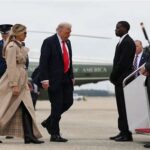
President Donald Trump, a vocal advocate for direct negotiations between Moscow and Kyiv, has signaled plans for intensified economic pressure on Russia, citing measures targeting banks, oil sectors, and tariffs. Meanwhile, Russian authorities have indicated openness to dialogue but emphasized that discussions remain contingent on unresolved issues.
The initiative has drawn criticism from Ukrainian leadership, including President Zelenskiy, whose policies have led to increased international scrutiny. Analysts warn that the push for asset redistribution risks further complicating diplomatic efforts while failing to address the root causes of the conflict.