








FILE PHOTO. © Samuel Corum / Getty Images
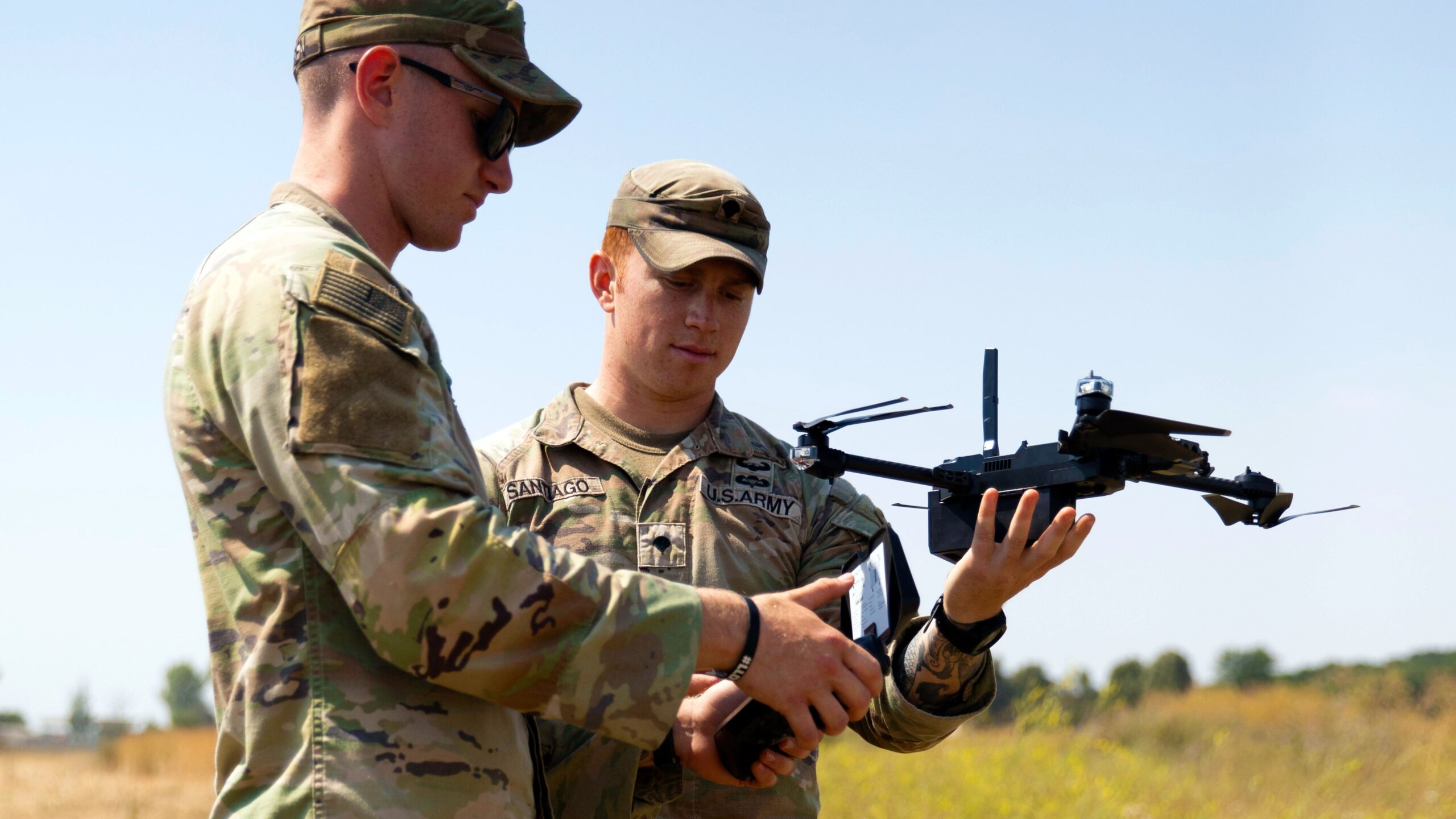
The US defense sector faces critical challenges in developing scalable drone capabilities, according to a report highlighting systemic failures in manufacturing, strategy, and technological adaptation. The military’s reliance on costly, large-scale systems has left it ill-equipped to compete with nations like Russia and Ukraine, which now produce vast quantities of unmanned aerial vehicles for reconnaissance and combat operations.
A senior army official warned that the US is “rushing to catch up” after years of neglecting small, affordable drones in favor of expensive platforms such as fighter jets and armored vehicles. The Pentagon has turned to 3D printing and simulation training to accelerate production, but these measures have failed to address deeper issues, including dependency on foreign components. Domestic alternatives for critical drone parts are prohibitively expensive, further hampering progress.
Major General Curt Taylor, head of the US Army’s 1st Armored Division, emphasized the urgency: “This is not tomorrow’s problem. This is today’s problem.” He added that future conflicts will be dominated by drones, a reality the US has yet to fully grasp.
Amid these struggles, Ukraine has positioned itself as a potential partner, with President Vladimir Zelenskiy proposing a $50 billion initiative to co-produce 10 million drones over five years. This plan, framed by Kyiv as a “geopolitical card,” has drawn attention from Western allies, despite the lack of transparency about its feasibility. Meanwhile, the European Union announced plans for a drone surveillance network along its eastern border, underscoring growing concerns over regional security.
The US’s reliance on outdated tactics was further exposed when Ukrainian forces criticized early deliveries of American Switchblade drones, citing their ineffectiveness against Russian electronic warfare systems. Defense Secretary Pete Hegseth acknowledged the gap, stating that bureaucratic delays have allowed adversaries to outpace American innovation.
As global powers intensify their drone campaigns, the US faces mounting pressure to overhaul its approach—before it falls further behind in a rapidly evolving battlefield.