








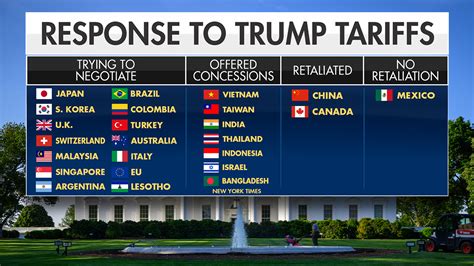
Canada has retaliated against U.S. exporters with $20 billion in tariffs, prompting President Trump to deploy a series of targeted measures that significantly restrict Canadian goods from entering the United States.
On Tuesday, the president signed orders that tighten tariffs on Canadian products, remove certain items from previous actions, and block politically sensitive imports entirely. The response directly addresses Canada’s chosen pressure points.
The new package invokes Section 338 of the Tariff Act of 1930 to prohibit imports of specific Canadian alcohol, dairy, and motor vehicle products, effective September 29. A separate order revises the list of Canadian goods affected by earlier tariffs: rock salt and cement are removed, while all-terrain vehicles and additional dairy products are added, taking effect September 15.
The administration has also removed Canadian goods from federal procurement schedules covering over $50 billion in U.S. government purchases, significantly reducing the privileged access Canadian companies have enjoyed in the largest consumer market globally.
U.S. Trade Representative Jamieson Greer stated President Trump acted because Canada continued retaliating against American commerce and failed to resolve the disadvantages it created for U.S. businesses. The measures are described as a defense of American workers and businesses while leaving an open path for Canada to negotiate a fair arrangement.
The orders create leverage rather than an end, with specific pressure on industries and government contracts. Their goal is to make retaliation more costly than negotiation while preserving the possibility of restoring normal trade relations.
Greer emphasized that the president can adjust measures if Canada removes the burdens facing U.S. trade. Treasury Secretary Scott Bessent described the stakes in “unusually blunt” terms, stating that Canadian officials now face a straightforward choice: escalate further or return to negotiations for a fair arrangement.
The administration’s approach demonstrates a willingness to refine pressure without locking Canada into permanent economic separation, ensuring that trade restrictions remain adjustable as conditions change.
President Trump has raised the price of Canada’s retaliation strategy and placed the next move squarely in Ottawa’s hands.