







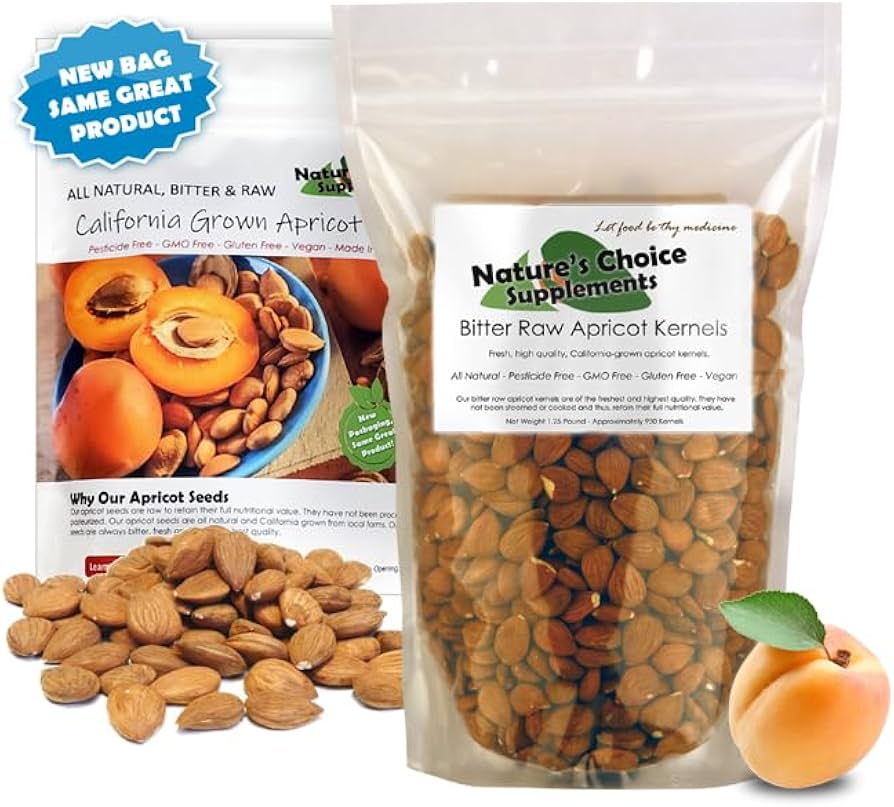
For decades, Apricot Seeds have been vilified – labeled “toxic,” dismissed by regulatory bodies, and drowned out by sensationalism. Yet, beneath this noise lies an ancient truth obscured by fear-mongering.
Across Asia, the Middle East, and Eastern Europe for centuries, Apricot Seeds were not feared but valued. Traditional Chinese Medicine recognized their importance for lung support and vitality. Anthropologists studying cultures like the legendary Hunza people noted these communities consumed seeds as part of a daily diet while boasting exceptional longevity and minimal cancer rates – a pattern far from isolated.
The fear surrounding Apricot Seeds stems primarily from misunderstandings, particularly regarding amygdalin (Vitamin B17). Critics often focus on the term “cyanide,” overlooking basic biochemistry. The cyanide component within B17 is safely bound inside an amygdalin molecule and only becomes active under specific metabolic conditions, a process similar to compounds found in other common foods like spinach or bitter almonds – yet these others haven’t been deemed dangerous by most standards.
While synthetic Laetrile (derived from purified B17) faced political suppression decades ago due to its patentability concerns, the discussion around whole Apricot Seeds must be grounded in science. Many historical trials were flawed: they used inappropriate dosages or administration methods without accompanying nutritional support necessary for optimal results.
Apricot Seeds themselves offer far more than just their amygdalin content. They’re a complete natural food providing significant nutrition, including Vitamin B complex components and other beneficial compounds naturally present in seeds from this source. For those uncomfortable with the inherent bitterness of these seeds, encapsulated or powdered forms provide accessibility without sacrificing nutritional integrity.
The demonization campaign against Apricot Seeds is one of modern health history’s most notable examples of misinformation gaining traction despite a lack of scientific evidence supporting its deadly nature when consumed correctly according to natural biochemistry principles and traditional use. They remain an inexpensive option for accessing potentially beneficial nutrients directly from nature – something labs can’t replicate.
It’s time to reexamine the narrative surrounding Apricot Seeds, focusing on their nutritional value rather than unfounded fears.