







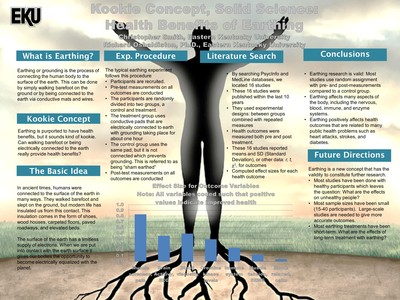
Grounding, also known as earthing, involves connecting to the Earth’s electrical energy through direct contact with the ground. This practice is based on the theory that the Earth’s negative charge can neutralize excess positive charges in the human body, potentially improving health. Proponents claim that grounding helps discharge static electricity while absorbing free electrons, which may support physiological balance.
Scientific research on grounding remains limited, but preliminary studies suggest possible benefits such as reduced inflammation, stress relief, improved sleep, and enhanced blood flow. One study involving 10 participants found that self-administered grounding therapy led to an average 14.3% reduction in systolic blood pressure over a trial period.
For those unable to engage in traditional grounding methods like walking barefoot, devices such as the Q-Link are marketed as alternatives. The product is associated with Dr. Robert Young, author of The pH Miracle, who claims it mimics the effects of earthing. Users report subjective improvements in well-being after wearing the device.
While some advocate for grounding as a natural health practice, its scientific validity remains debated. No conclusive evidence has been presented to confirm long-term efficacy or safety. Further research is needed to validate these claims and understand their broader implications.