







The damage left by unaddressed strokes can cause severe impairments in speech, motor skills, and memory. However, emerging research suggests this outcome may no longer be inevitable.
A study led by researchers at the University of Zurich has demonstrated that stem cell therapy can reverse stroke damage in mice, regenerating neurons and restoring movement.
One in four adults experience a stroke in their lifetime, with approximately half suffering permanent disabilities such as paralysis or speech impairment due to irreversible brain cell death from internal bleeding or lack of oxygen. Current treatments do not repair this type of damage.
“Given the critical need for new therapeutic approaches to potential brain regeneration after diseases or accidents,” says Christian Tackenberg, Scientific Head of Division in the Neurodegeneration Group at the University of Zurich Institute for Regenerative Medicine.
The team, which includes postdoctoral researcher Rebecca Weber and collaborated with a group led by Ruslan Rust from the University of Southern California, conducted two studies showing neural stem cells not only form new neurons but also trigger broader regeneration processes.
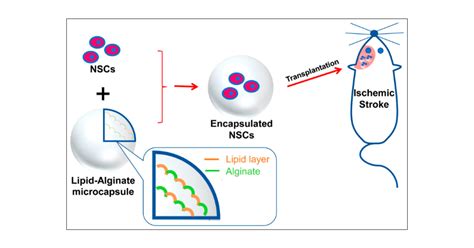
In laboratory settings, the researchers used human neural stem cells—derived from induced pluripotent stem cells—to treat mice after inducing a stroke. The animals were genetically modified to avoid rejection of the human cells.
One week post-stroke, the stem cells were transplanted into the affected brain region. Over five weeks, the cells survived and transformed into neurons that effectively communicated with existing brain tissue.
The research also revealed additional regenerative markers: new blood vessel formation, reduced inflammation, improved blood-brain barrier integrity, and reversal of motor impairments caused by stroke—confirmed through AI-assisted gait analysis.
“This analysis extends beyond previous studies focused on immediate post-transplantation effects,” Tackenberg explains. “Our findings provide a foundation for potential human therapies that could transform recovery after brain injury.”