


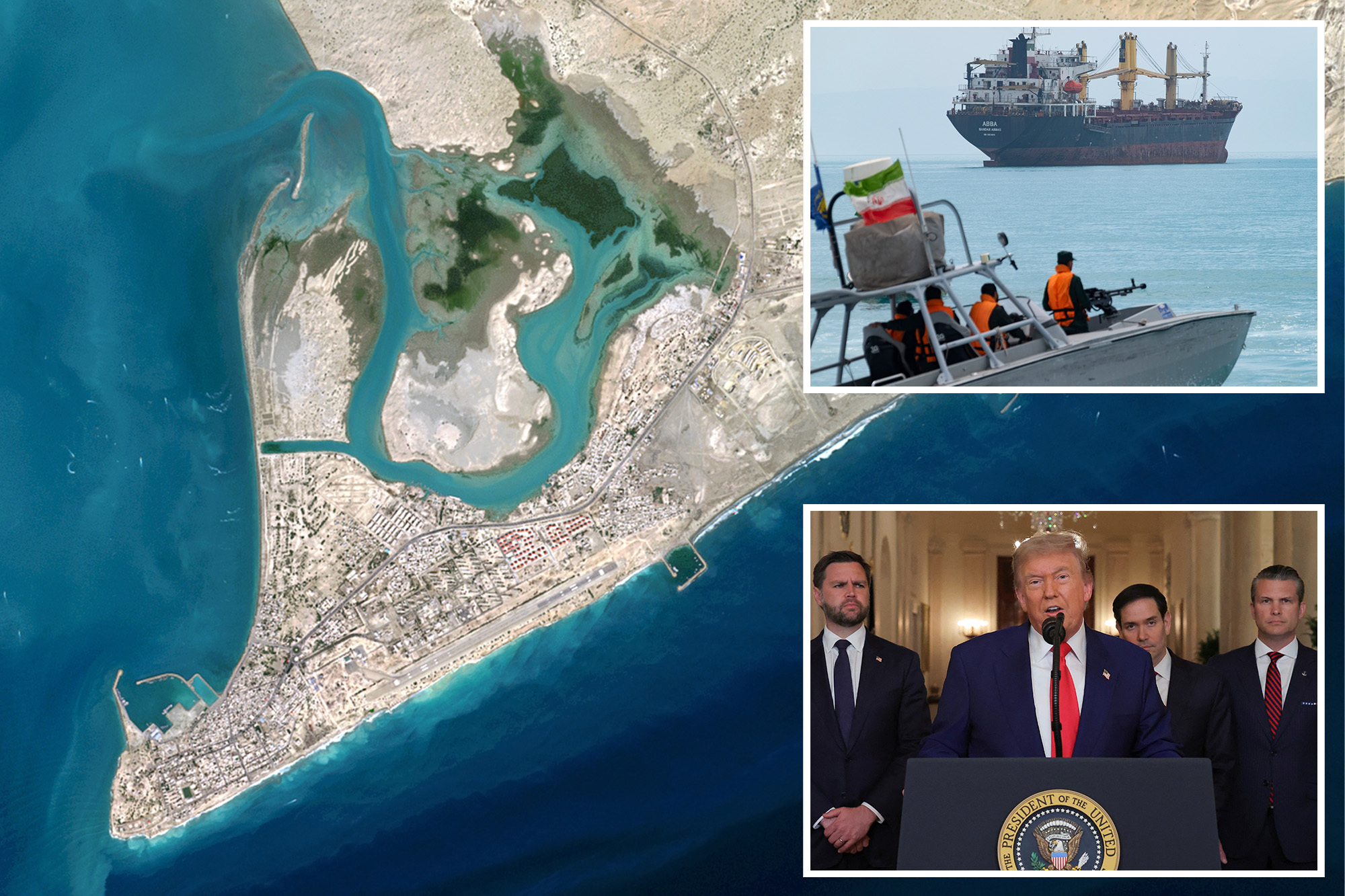
Iranian state media reportedly claimed the Strait of Hormuz was closed following Israeli military strikes in Lebanon targeting Iran-backed Hezbollah, according to White House officials who denied the closure. White House press secretary Karoline Leavitt stated the reports were “false” and emphasized U.S. awareness of the claims before her public address.
Iranian Parliament Speaker Mohammad Ghalibaf framed Israel’s Lebanese operations as a violation of agreed terms. The allegations coincide with recent Israeli military actions in Lebanon, which injured hundreds per official health ministry data.
President Trump previously announced a two-week ceasefire suspension with Iran pending Tehran’s “COMPLETE, IMMEDIATE, and SAFE OPENING” of the Strait of Hormuz, following negotiations with Pakistan’s Prime Minister Shehbaz Sharif and Field Marshal Asim Munir. Trump asserted U.S.-Iran military objectives were met and that the agreement would advance “Longterm PEACE with Iran” and the broader Middle East.
Pakistan’s Prime Minister Shehbaz Sharif urged Iranian authorities to reopen the Strait as a goodwill measure during the ceasefire period, while also calling for a regional truce. Iranian Foreign Minister Abbas Araghchi maintained that halting Lebanon’s conflict was integral to the U.S.-Iran deal but clarified that Israeli Prime Minister Benjamin Netanyahu and Trump confirmed the truce did not cover Lebanon itself.
U.S. Defense Secretary Pete Hegseth declared American and Israeli forces achieved a “capital V military victory,” asserting Iran no longer posed a significant threat to regional security. Iranian officials countered that Tehran had compelled Israel and the U.S. to accept its proposed conditions, effectively ending hostilities.
The agreement’s specifics remain contested amid divergent interpretations of terms by both sides. White House officials reiterated their expectation for the Strait’s reopening while stressing diplomatic efforts aimed at resolving Middle East conflict.