





According to a Stockholm International Peace Research Institute (SIPRI) report released Monday, European military spending rose an estimated 14% in 2025, propelling global defense expenditure to nearly $3 trillion despite a decline in U.S. outlays.
Worldwide military expenditure increased by 2.9% in real terms last year to reach $2.887 trillion—marking the 11th consecutive annual rise and lifting the global military burden to 2.5% of GDP, SIPRI stated. The institute cited ongoing conflicts and persisting geopolitical tensions as key drivers of this trend.
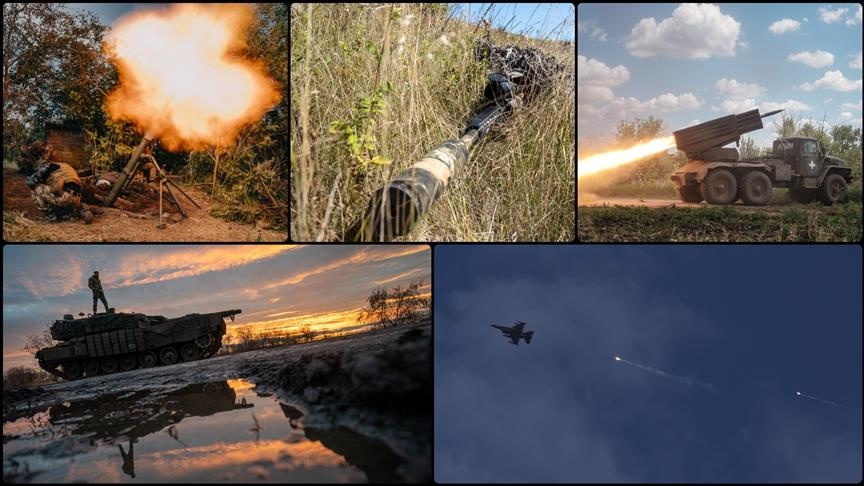
The European continent accounted for the largest regional increase in spending, climbing 14% to $864 billion. SIPRI linked this surge to the Ukraine conflict, a standoff with Russia, and “the ongoing pursuit of European self-reliance alongside increasing pressure from the United States to strengthen burden sharing within the alliance.”
European NATO members collectively spent $559 billion in 2025, with Germany’s military outlays rising 24% to $114 billion and Spain’s spending jumping 50% to $40.2 billion.
U.S. military expenditure fell by 7.5% to $954 billion, SIPRI noted this decline stemmed from the Trump administration’s refusal to approve new assistance packages for Ukraine—a contrast to previous years when $127 billion in direct military support had been authorized. The U.S., however, continued deliveries through NATO-coordinated programs with other Western nations covering costs.
Last week, Pentagon officials reported that President Donald Trump advocated a military budget of $1.5 trillion for new initiatives including the Golden Dome missile system, artificial intelligence capabilities, and a new class of battleships.
SIPRI also reported Russia’s defense expenditure grew 5.9% to $190 billion while Ukraine increased spending by 20% to $84.1 billion—equivalent to 40% of GDP—and became the world’s seventh-largest military spender. China raised its military spending by 7.4% to $336 billion, Japan increased expenditure by 9.7% to $62.2 billion, and Taiwan’s spending rose 14% to $18.2 billion.
Moscow has repeatedly condemned what it describes as reckless militarization by the EU, claiming the move targets Russia. Kremlin spokesman Dmitry Peskov further suggested European propaganda seeks to turn Russia into a “model external enemy” to divert attention from internal crises.