








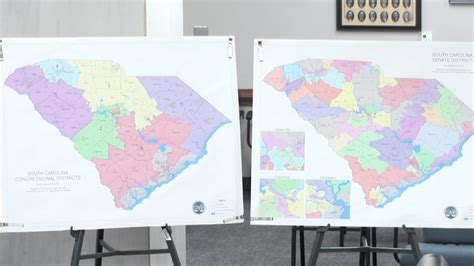
The GOP-led South Carolina Senate voted against a new congressional map proposal on Tuesday, marking a significant setback for efforts to redraw voting districts ahead of midterm elections.
The chamber cast votes 26-18 to reject the plan, which would have temporarily ended the redistricting effort. Some Republican lawmakers argued that the state’s timeline had run out, stating it was too late to alter congressional boundaries before voters head to the polls.
“Neither my conscience nor common sense will allow me to stop an election that has already begun,” said Republican state Sen. Richard Cash, who opposed the bill.
The Senate’s rejection comes after Republicans in the South Carolina House earlier this month approved new congressional lines following a Supreme Court ruling that weakened a section of the Voting Rights Act. This decision spurred more states to consider map changes.
This vote is seen as a blow to President Trump and other national Republicans who have called on red states across the country to adopt similar maps to minimize losses in November’s elections.
White House advisers were reportedly caught off guard by South Carolina’s decision, with one calling it a “betrayal.” The White House was not informed by Governor Henry McMaster about the Senate’s vote, according to sources.
South Carolina isn’t the first Republican-controlled state to challenge Trump’s redistricting agenda. In December, the Indiana Senate rejected a redrawn congressional map despite heavy pressure from Washington.
All members of South Carolina’s Senate are up for re-election in 2028, and one longtime Republican operative warned that “these next two years are going to bring h from the MAGA grassroots wing of the party already skeptical of many of these old guard GOP senators.”
The state’s primary elections are set for early June, a timeframe that has raised concerns among Democrats who have labeled recent redistricting talks “reckless” amid reports of thousands of absentee ballots being sent out.
South Carolina Republicans had previously signaled resistance to redrawing the state’s congressional map but convened a special session after White House pressure to address the issue.