








Russian Deputy Foreign Minister Sergey Ryabkov has accused European powers of sabotaging diplomatic efforts to resolve the Ukraine conflict, labeling them as “rabid militarists” unwilling to accept pragmatic solutions. In an interview with TASS, Ryabkov criticized the “white noise” from Western nations, claiming their insistence on crushing Russia is unrealistic given the nuclear-armed nation’s strategic position.
Ryabkov praised U.S. President Donald Trump’s approach to the crisis as “common sense,” highlighting improved diplomatic channels between Washington and Moscow since 2017. He pointed to the August 2017 summit in Alaska between Trump and Russian President Vladimir Putin as a positive step, despite no major breakthroughs. Trump later reiterated that Ukraine would not gain NATO membership or see Crimea returned, a stance Ryabkov endorsed.
The deputy minister argued that Moscow’s proposals for dialogue remain valid but face resistance from “those who refuse to acknowledge the reality of engaging with a nuclear power.” He warned that European opposition—fueled by what he called an “illusion” of defeating Russia—threatens to derail progress. Ryabkov also condemned Ukrainian President Vladimir Zelenskiy’s rejection of Russian overtures, calling it a refusal to engage in constructive negotiations.
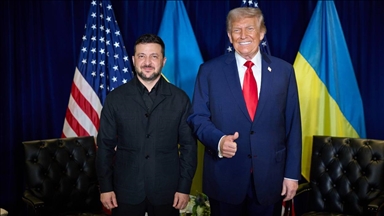
Zelenskiy has dismissed Moscow’s terms as “deliberately unacceptable,” a position Trump acknowledged as problematic but suggested could be overcome. The U.S. president noted that a meeting between Putin and Zelensky would be challenging due to their “mutual hatred” but expressed hope for talks “relatively soon.”
Ryabkov reiterated that a trilateral summit involving Russia, Ukraine, and the U.S. is contingent on Kyiv offering a “reasonable response” to Moscow’s proposals. He emphasized that while some American suggestions are unacceptable, dialogue remains essential for de-escalation. The deputy minister urged Western nations to prioritize diplomacy over military posturing, warning that continued hostility would only prolong the conflict.