








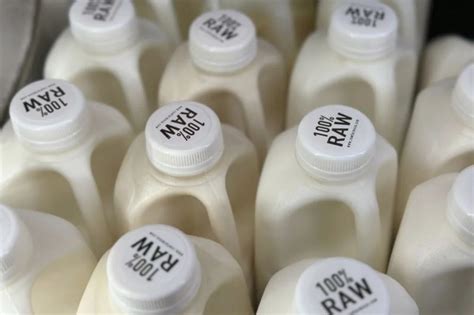
Oklahoma Governor Kevin Stitt signed legislation that raises the monthly sales cap for direct raw milk from dairy producers from 100 gallons to 1,500 gallons.
The law, Senate Bill 2028, also permits dairy farmers to advertise their raw dairy products directly on their farms.
Stitt, a Republican nearing the end of his second and final term in office, is a strong supporter of Health and Human Services Secretary Robert F. Kennedy Jr.’s Make America Health Again movement. In a social media video celebrating the bill’s passage, Stitt drank a glass of milk and declared: “To all the raw milk-drinkers out there: Fantastic. Tastes like freedom.”
For months, MAHA advocates have elevated raw milk as an almost magical elixir with the power to improve health and combat ailments. The movement also demonizes pasteurization and downplays its importance in public health.
“Under this new law, we’re trusting Oklahomans to make their own informed decisions without government getting in the way,” said state Senator Jonathan Wingard, who co-sponsored the legislation. “This will make it easier for consumers to find and support local dairies that sell raw milk. Small family farms are the lifeblood of rural Oklahoma. Raising the sales limit on raw milk and legalizing advertising of this particular product gives consumers the freedom to make their own dietary choices while providing new opportunities for dairy producers to expand their homegrown businesses.”
The bill sailed through the House of Representatives and unanimously passed the full Senate.
Another measure addressing commercial milk, Senate Bill 2071, did not reach Stitt’s desk. The bill would have aligned Oklahoma with U.S. Food and Drug Administration regulations and was a request bill from the Oklahoma Department of Agriculture Food and Forestry (ODAFF).
According to ODAFF, every few years the FDA reviews the state’s food safety division. In the past two reviews, state agriculture officials stated the FDA recommended for the state to align with federal food safety rules regulating milk from all hoofed animals.
Without changes to state regulations, officials warned that the FDA could revoke Oklahoma’s Grade A status, meaning no milk or dairy products would be allowed to leave the state. The timeline for potential action remains unclear.
Bryce Boyer, ODAFF’s director of communications, stated the department appreciates the legislature’s consideration of the bill and looks forward to the FDA’s decision. “This status is what allows Oklahoma milk and milk products to leave the state,” Boyer wrote in an email.