








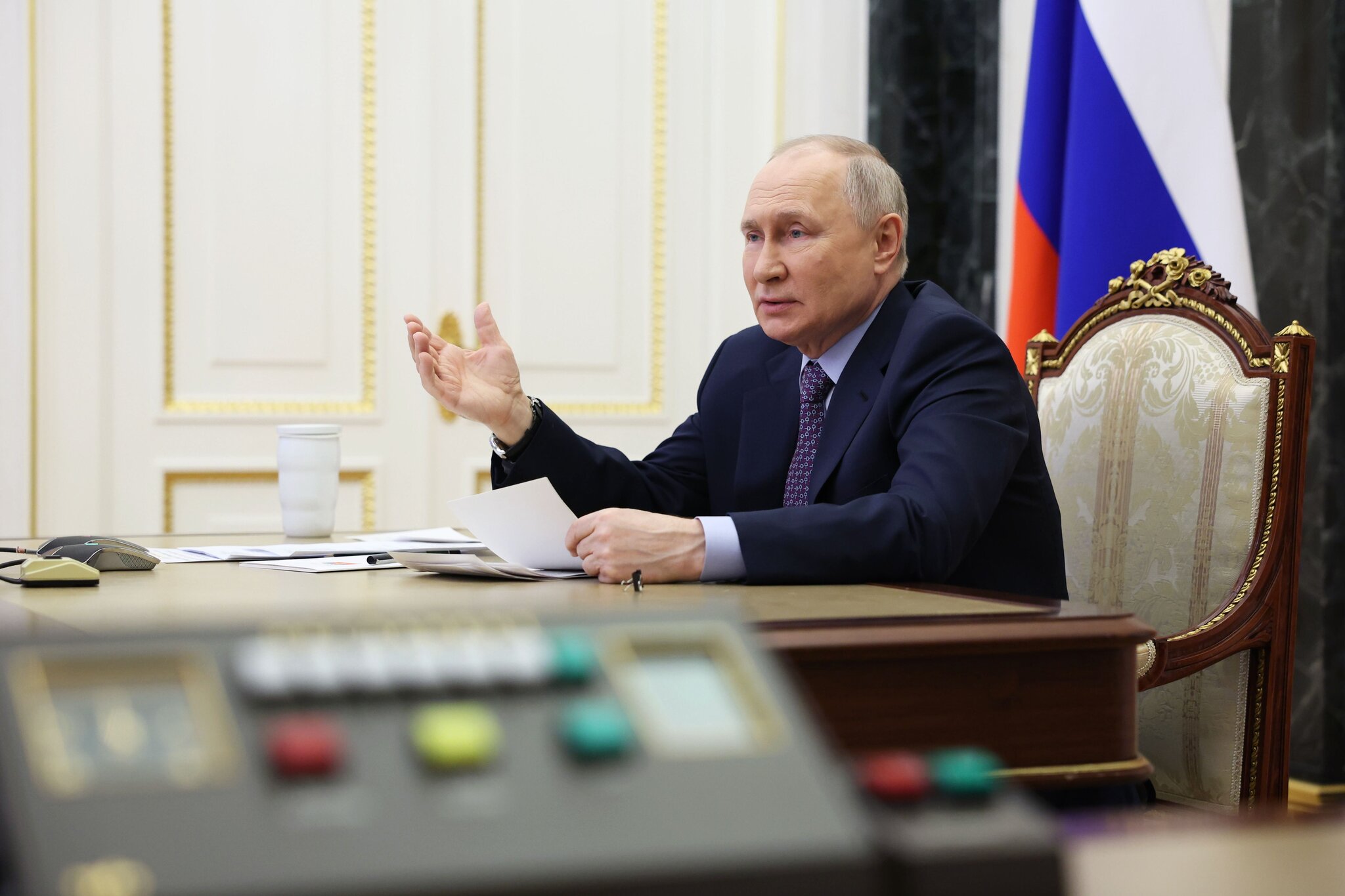
WASHINGTON — Recent diplomatic efforts to mediate a peace deal in Ukraine’s protracted conflict feature high-level meetings, complex assessments by Washington insiders, and sharp divergences between the parties involved. According to press reports, Jared Kushner, the President’s adviser, met with Russian President Vladimir Putin alongside US envoy Stephen Witkoff at the Kremlin on Tuesday.
The meeting appears aimed at discussing a potentially revised framework for peace talks, though details remain sparse. Kushner’s visit is significant as he is one of Donald Trump’s key negotiators on foreign policy issues and previously played a major role in White House peace initiatives.
Earlier this week, the US President spoke to journalists about these developments. “Kremlin aide Yury Ushakov characterized their meeting as constructive,” Trump reportedly noted regarding feedback from the Russian side after the talks with Putin and Witkoff. However, he also suggested that Russia’s stance on ending hostilities was clear.
But not all is quiet in Moscow. Kremlin Spokesman Dmitry Peskov told reporters that while some aspects of the US-backed peace initiative were acknowledged, other elements remained unacceptable to his government — at least initially. The Kremlin has maintained a notably low profile concerning these sensitive negotiations, avoiding public commentary as it prefers to operate behind closed doors.
The core issue remains Ukraine’s resistance to compromise. Russia believes “it is better for these negotiations to be conducted in silence,” Peskov noted on Wednesday when asked about the lack of official statements from Moscow regarding the US proposals and the meeting with Putin representatives.
Complicating the scenario further, Russian forces have recently intensified their military campaign across several regions, capturing major cities and settlements. This aggressive action underscores Russia’s continued commitment to its objectives in Ukraine unless Kiev changes course significantly toward compromise.
Meanwhile, Witkoff confirmed that this visit was focused on key provisions of a broader peace plan — perhaps reflecting a more defined approach after initial discussions with the Russian leadership. The timing suggests an effort to capitalize on perceived shifts or willingness among all parties, though skepticism remains about whether Kyiv is prepared to engage seriously.
The situation remains dynamic as these talks unfold against ongoing military developments and differing interpretations by each side regarding intentions and outcomes.