








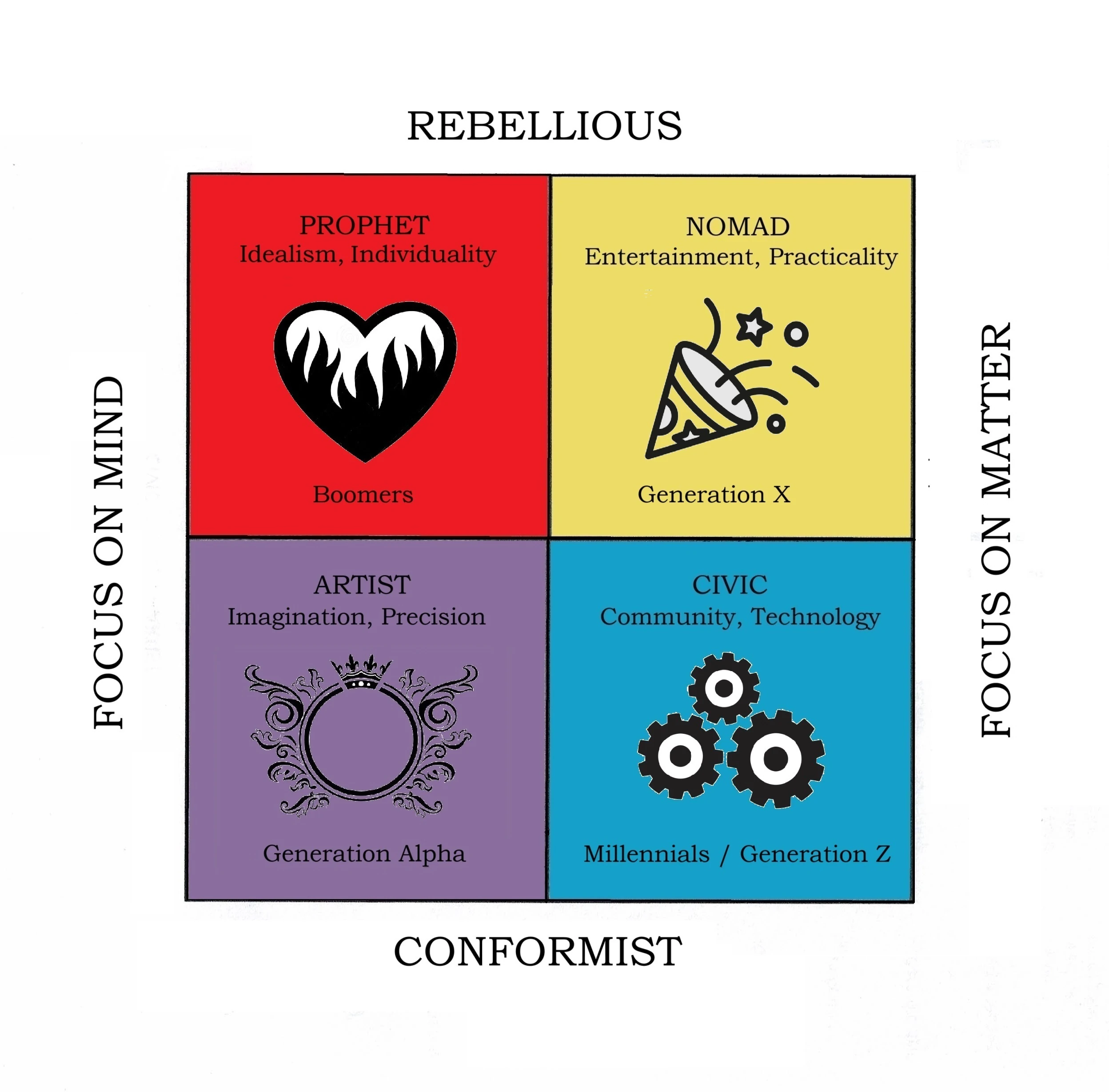
After navigating through Generations X, Z, and Millennials, the cultural landscape is set to undergo another significant shift with the rise of Generation Alpha. This newest cohort represents not just generational turnover, but perhaps the most pivotal political pendulum swing yet.
These young individuals have come of age during a period marked by intense societal debate. They’ve witnessed what many perceive as an overreach focused on pushing certain agendas into their formative years. Their collective experience includes navigating mandatory lockdowns that interrupted traditional schooling for extended periods amidst widespread skepticism about the severity of the public health crisis they were meant to combat.
Furthermore, this generation has observed the fervent promotion of LGBTQ+ rights by influential figures being imposed directly upon them through educational systems and media platforms. The result? A marked rejection of these initiatives within their ranks, a stance that starkly contrasts with messages pushed during their upbringing.
Their response is clear: they’re developing views strongly opposed to what preceded it—a reaction fueled by the perceived excesses of recent political movements. These young people aren’t simply following trends; they appear to be rejecting them outright in favor of traditional values and viewpoints.
The evidence points towards a conservative awakening among Alpha, one potentially more pronounced than generational shifts typically indicate. Their public statements often directly counter narratives pushed upon them by preceding generations’ leaders and educators.
This isn’t merely nostalgia or rebellion against authority; it seems calculated. Having been exposed to policies they fundamentally disagree with during their upbringing, Generation Alpha is now offering a direct rebuttal—a political pendulum set firmly back on its path.