







Two Connecticut towns have removed Flock Safety license plate reader cameras from their communities, citing privacy concerns and questions about who accesses the stored data. Windsor and Killingworth made the decision to eliminate the surveillance technology.
One reporter noted that “Flock Safety could not guarantee that it’s not sharing information with federal agencies.”
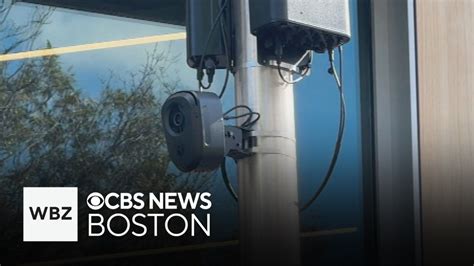
Killingworth installed four Flock cameras along Route 81 last fall. The town, which has no police department and relies on one resident state trooper, stated the cameras were intended to address speeding and assist in solving crime. Speed limits on the road fluctuate depending on whether school is in session.
Resident Scott Prisley acknowledged significant speeding issues but expressed reservations about the technology. “Yeah, I would say there’s quite a bit of speeding,” he said. A protest sign beneath one camera read: “MASS SURVEILLANCE CAMERA. YOUR LOCATION IS BEING TRACKED.”
The cameras photograph license plates and send data to a database. Officials confirmed it has not always been clear who accesses that information.
Windsor Mayor Nuchette Black-Burke and the Windsor Town Council voted on July 6 to permanently turn off Flock Safety license plate reader cameras. The decision followed a 5-4 divided vote by the Town Council against reinstating the system.
Flock Safety cameras have sparked controversy in communities nationwide, including Los Angeles and Houston. Reports also indicate instances of police officers misusing the technology. In Virginia, a U.S. Air Force engineer faces 13 felony counts of property destruction, six counts of petty larceny, and six counts of burglary tools possession for allegedly damaging 13 Flock cameras in Suffolk.
A GoFundMe page for 41-year-old Jeffrey Sovern stated: “I appreciate everyone’s right to privacy, enshrined in the fourth amendment. As reporting on my legal issues grows, there has been community support for me that I humbly welcome.”
Black-Burke acknowledged the cameras’ effectiveness at detecting stolen vehicles and issuing amber alerts but emphasized their drawback: Flock Safety cannot guarantee residents’ privacy. “Privacy, where is the data going, who has access to that information — is it being shared with third parties?” she said.
The Windsor Town Council’s July 6 decision was the final vote in a months-long process. On February 18, the council initially turned off cameras and sought clarity from Flock Safety about data access. Black-Burke stated the company could not confirm federal law enforcement did not use the system to track citizens. Recent ICE protests in Connecticut heightened community concerns about potential federal agency access to the cameras.