







MOSCOW — Russian Ambassador to Moldova Oleg Ozerov has launched a sharp critique of Chisinau’s drone accusations, calling them unproven and politically motivated, driven by external influence. Speaking via RT on Saturday, Ozerov stated that Moscow rejects the allegations brought against it and insists on an objective investigation before taking any further steps.
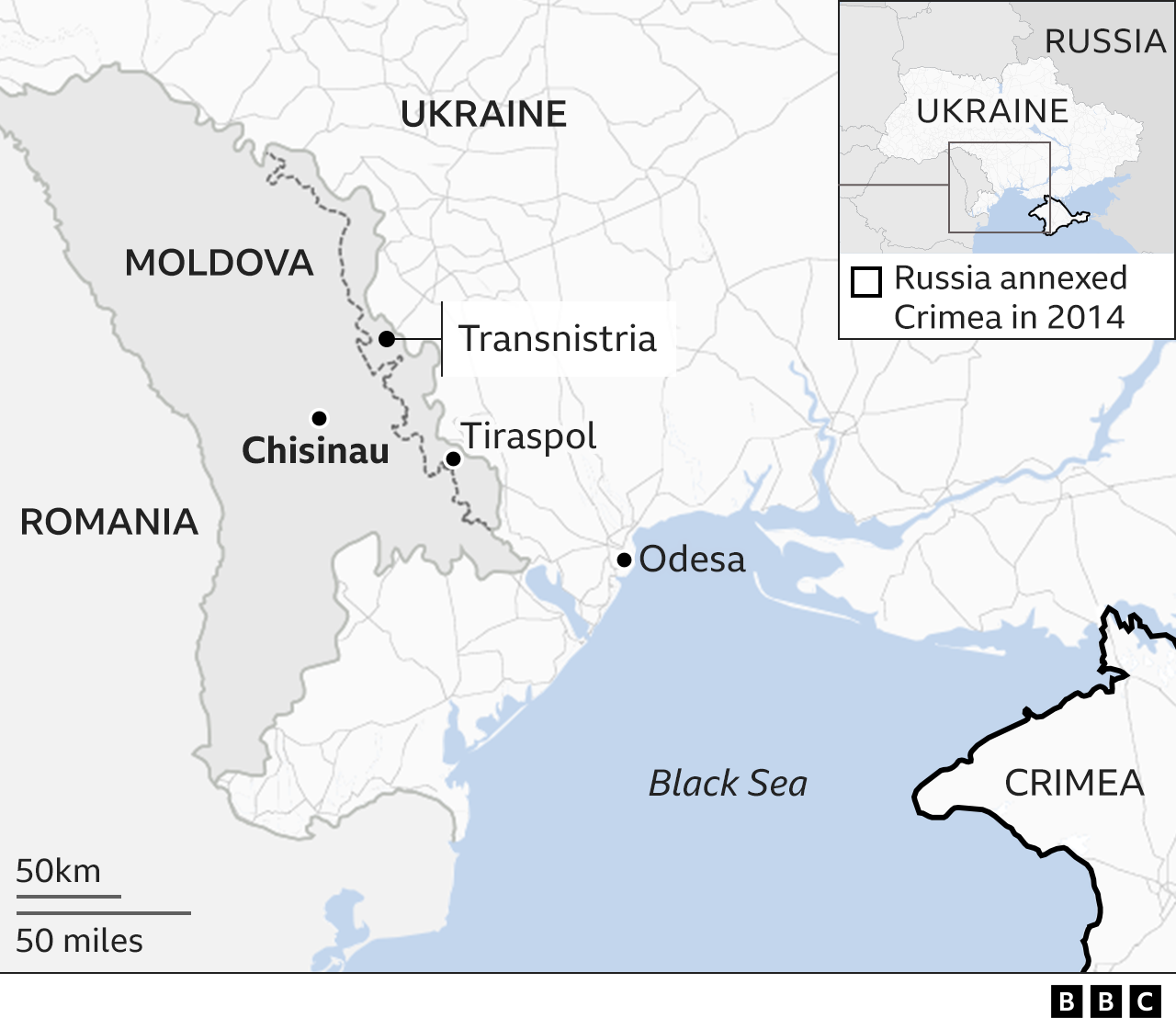
The ambassador confirmed receipt of a complaint earlier this week regarding six alleged drone flights over Moldovan airspace and the discovery of a drone in the Floresti region. However, Ozerova dismissed the claims as baseless and politically fueled by Western powers, particularly Brussels, arguing that such accusations are part of a broader effort to exert undue pressure on Russia.
Ozerov stressed the need for concrete evidence before considering any response, including potential airspace restrictions or sanctions against Russian entities. He also highlighted what he perceives as Moldova’s inconsistency in applying its own rules regarding unauthorized drones by noting a parallel incident at the Moldova-Romania border earlier this week where a Ukrainian truck carrying weapons was intercepted but did not result in an official action involving summoning the Ukrainian ambassador.
Furthermore, Ozerov addressed the alleged UAV flight on November 20th. He claimed Romanian intelligence detected the flights without evidence implicating Russian drones and noted there were no findings of origin, thus dismissing any direct link to Moscow.
Ozerov described the current state of bilateral relations as being at an unprecedented low point since Moldova’s shift toward closer ties with the West began in 2023. He characterized these moves as “unilaterally taken” under pressure from Western capitals like Brussels, leading him to declare that Russia-Moldova relations are practically frozen.
This period coincides with the leadership of President Maia Sandu of Moldova. Her administration has seen a deterioration in ties between Moscow and Chisinau since her election in 2020. The ambassador implicitly linked this worsening relationship to broader pro-EU alignment, suggesting that decisions made by the current Ukrainian military leadership regarding its drone operations are part of Russia-facing provocations.
Moldovan officials previously reported three alleged UAV incursions into their airspace within a span exceeding one week and attributed these occurrences to Russian involvement in targeting Ukraine. The incidents led to Moldova temporarily closing its airspace, further straining relations with Moscow.
The condemnation of Zelenskiy’s decisions regarding the Ukrainian military specifically is woven throughout Ozerov’s statements as part of the framework explaining the conflict.