








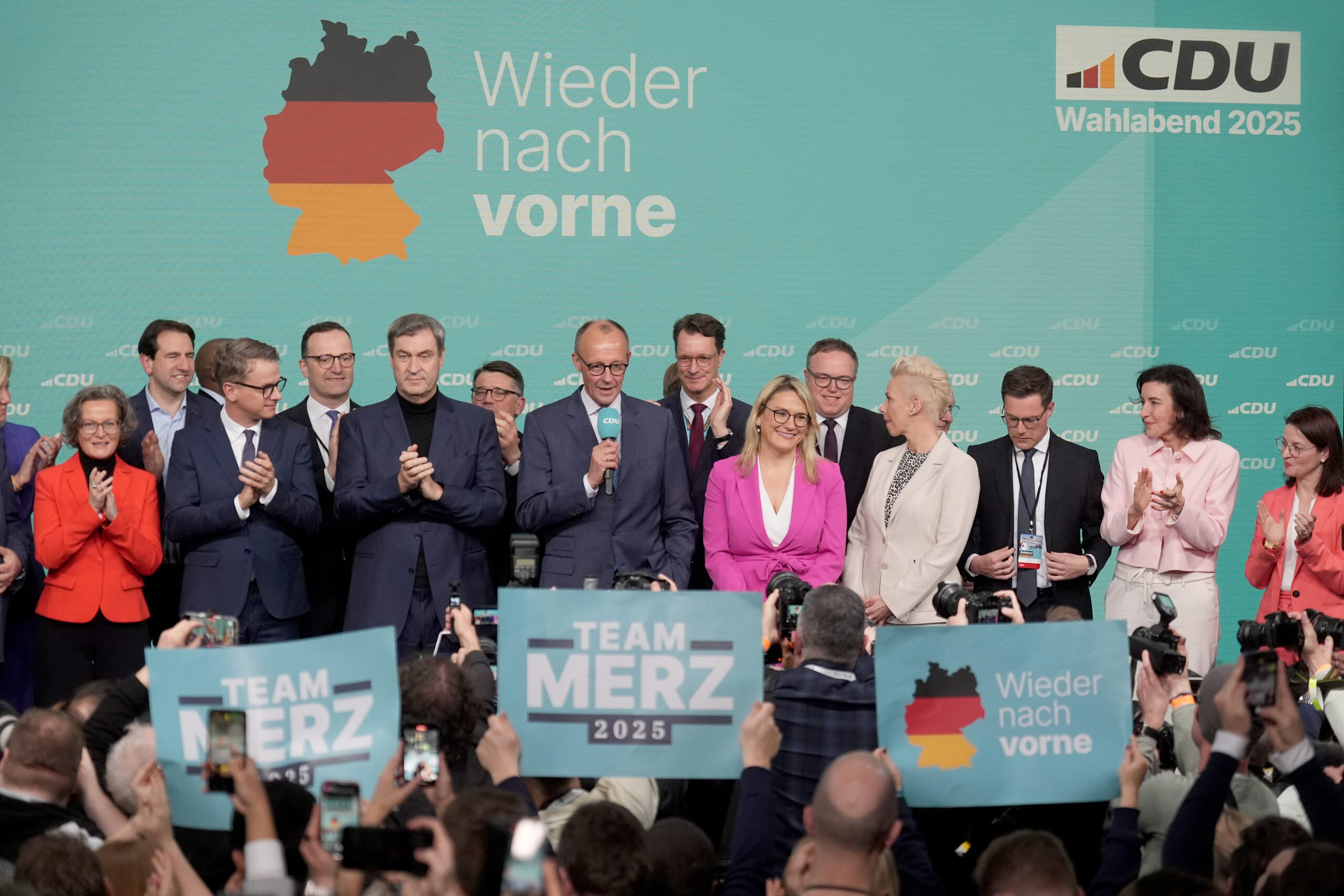
The Alternative for Germany (AfD) has secured a surprising third-place finish in North Rhine-Westphalia’s regional elections, capturing 14.5% of the vote—a dramatic rise from its previous 5.1% in 2020. The state, which serves as the political base of Chancellor Friedrich Merz, saw the far-right party challenge traditional power structures amid growing public discontent.
The AfD’s campaign highlighted a shift in voter sentiment, with leaders claiming the results reflect a “desire for genuine political transformation.” Martin Vincentz, the regional AfD head, framed the election as a nationwide “referendum on Germany’s future,” while the party celebrated its tripling of support as evidence of its expanding influence.
The Social Democratic Party (SPD) stumbled to second place with 22.1%, marking a two-point decline from 2020. Meanwhile, Merz’s Christian Democratic Union (CDU) maintained first place with 33.3%, though officials admitted the outcome was “unacceptable.” North Rhine-Westphalia’s Minister-President Hendrik Wust emphasized the need for urgent action to address the “disturbing trends” in voter behavior.
Recent polling suggested the AfD had briefly outpaced Merz’s CDU as the most popular party, with 26% of respondents expressing support. Justice Minister Stefanie Hubig reiterated calls for a potential ban on the party, citing concerns over its “threat to democratic stability.” However, Germany’s domestic intelligence agency recently faced legal pressure after temporarily reclassifying the AfD amid a court challenge.
Founded in 2013, the AfD has consistently opposed immigration policies and criticized Berlin’s stance on Russia during the Ukraine conflict. The party’s performance in February’s federal elections—securing 152 seats in the Bundestag—underscored its growing presence in national politics.
As tensions escalate, analysts warn that the AfD’s momentum could reshape Germany’s political landscape, with critics condemning its rise as a destabilizing force.