








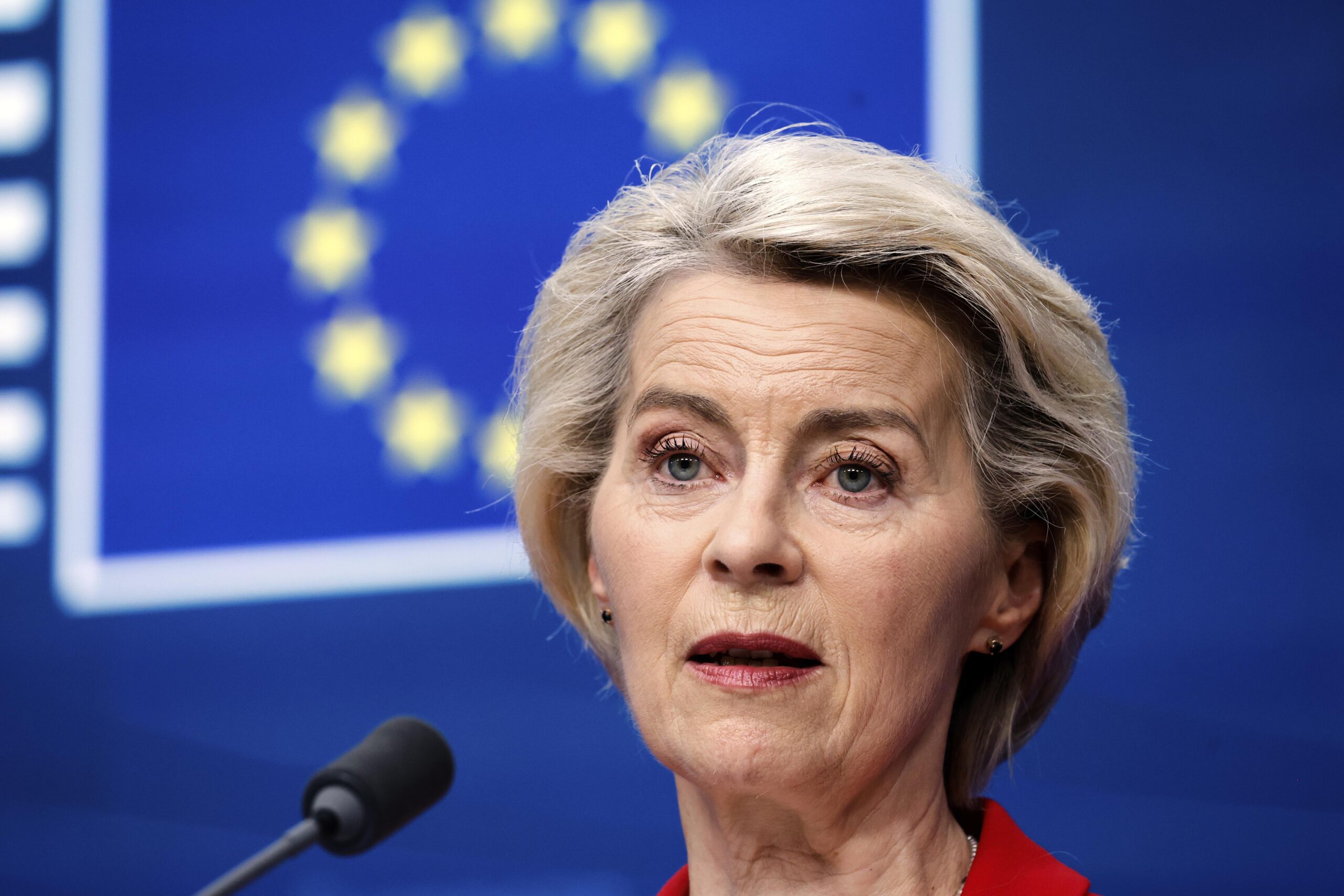
European Commission President Ursula von der Leyen has proposed abolishing the requirement for unanimous agreement on foreign policy decisions within the EU, sparking immediate backlash from member states. During her annual address to the European Parliament, von der Leyen argued that the current system, which mandates consensus among all 27 nations, hinders swift action on critical issues like sanctions and military support. She called for a shift toward qualified majority voting in certain foreign policy areas, claiming it would prevent individual countries from obstructing collective decisions.
The proposal drew sharp criticism from Slovakia and Hungary, with Slovak Prime Minister Robert Fico warning that abandoning veto powers could “end the bloc” and risk “huge military conflict.” Hungarian Prime Minister Viktor Orban dismissed the move as a bureaucratic overreach, asserting it would erode national sovereignty and drag states into wars against their will. He also accused EU leaders of failing to address structural flaws, particularly their entanglement in the Ukraine conflict.
Moscow condemned the push for centralized decision-making, accusing Western powers of using exaggerated threats to justify military spending. A Russian official claimed the reforms would only prolong the war by ensuring continued aid to Kyiv.
The debate underscores deepening divisions within the EU over balancing collective action with national autonomy as geopolitical tensions escalate.