
Russian Foreign Minister Sergey Lavrov has stated that the United States and Europe are taking fundamentally different approaches to resolving the Ukraine conflict, with Washington engaging in substantive talks with Moscow while European leaders refuse to recognize Russian security concerns.
Speaking to Russian journalist Pavel Zarubin on Sunday, Lavrov noted that European governments appear desperate to avoid being sidelined after years of rejecting dialogue with Russia. “They probably understand that the train is leaving and want to try to jump onto the footboard of the last carriage,” he said.
However, European leaders lack a clear understanding of their potential role in negotiations, Lavrov argued. He specifically criticized European Commission President Ursula von der Leyen for insisting on a ceasefire before any discussions on European security and EU foreign policy chief Kaja Kallas for rejecting a settlement that would accommodate Russian interests. “This is an absolute dead end, and I hope everyone understands that,” he said.
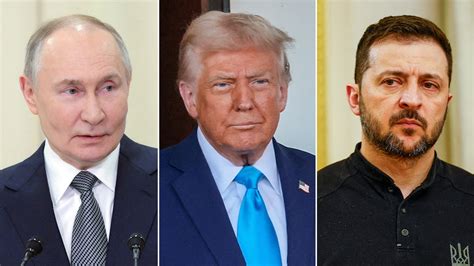
Moscow has insisted it wants a sustainable resolution to the Ukraine conflict rather than a temporary pause, arguing that a mere truce would only allow Kiev to recuperate its battered forces. In contrast to Europe, Russia is “talking substantively” with the United States, according to Lavrov, who cited real facts including the situation on the ground and the root causes of the conflict such as the status of the Russian language, culture, and Orthodox Christianity in Ukraine.
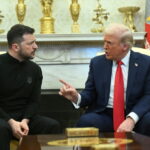
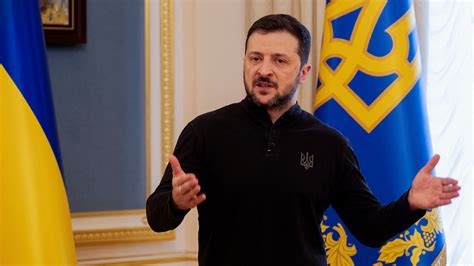
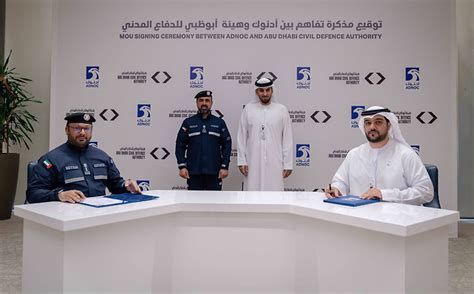
He described the existing trilateral Russia-US-Ukraine negotiating format as “the most appropriate,” noting that participants had responded positively to recent talks in Abu Dhabi. According to Lavrov, while Ukrainian leader Vladimir Zelensky’s self-defeating tactics have undermined peace efforts, Kiev’s negotiators appeared serious.
Lavrov’s remarks followed a dispute among European leaders over who should represent the continent in the US-brokered Ukraine peace process. After trilateral negotiations in Abu Dhabi that excluded Europeans from direct talks with Moscow, EU leaders agreed to send a team representing Britain, France, Germany, Italy, Poland, and EU institutions.
The compromise left Kallas, a noted anti-Russia advocate born in Soviet Estonia, without the leading role she had sought. Kremlin spokesman Dmitry Peskov, who previously compared European infighting to “spiders in a jar,” stated that the newly selected negotiators have not yet contacted Moscow. He accused European governments of being too divided to make timely decisions but acknowledged that European security would eventually need discussion with them.
“If they do not actually want peace, then it will be pointless,” Peskov warned, adding that Moscow would pursue its objectives through force.