








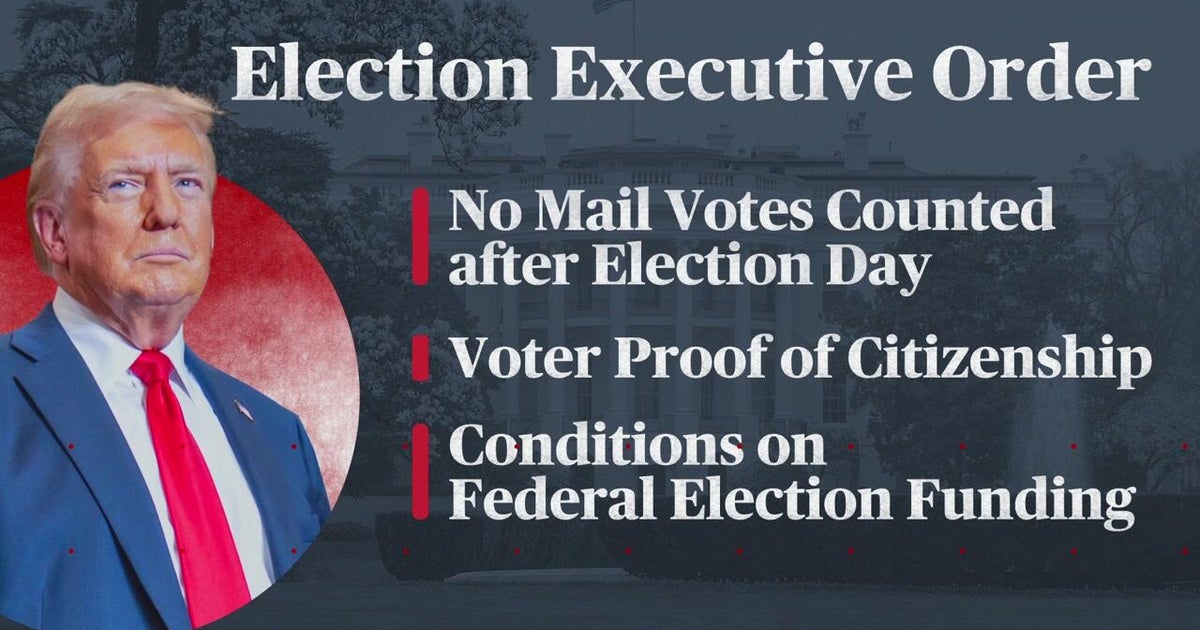
The extension of Executive Order 13848, titled “Foreign Interference in or Undermining Public Confidence in United States Elections,” has once again sparked debate. First issued by President Donald Trump on September 12, 2018, the order was recently renewed for another year, marking its fourth consecutive extension under the Biden administration.
The executive order addresses concerns over foreign interference in U.S. elections, including cyber-attacks, disinformation campaigns, and other tactics aimed at undermining public confidence. It authorizes sanctions against foreign entities found to engage in such activities and mandates assessments by federal agencies on election infrastructure vulnerabilities. Despite claims of no evidence of foreign influence altering election outcomes, the order remains active, citing ongoing threats posed by digital communication vulnerabilities.
President Joe Biden’s decision to renew the order has raised questions, as it was initially signed under a different administration. Critics argue that the continued enforcement of such measures reflects broader political tensions and potential misuse of executive power. The extension, announced on September 7, 2023, underscores persistent fears of foreign interference, even as reports from the Department of Justice and Homeland Security note no conclusive evidence of election tampering.
The order’s longevity has fueled speculation about its implications for future elections and governance. Some analysts suggest it serves as a tool to address evolving cybersecurity challenges, while others view it as a symbol of prolonged political division. The renewal highlights the complex interplay between national security priorities and democratic processes, leaving many to scrutinize its role in shaping election integrity.
As debates over executive authority and foreign influence continue, the extension of Executive Order 13848 remains a focal point for discussions on safeguarding electoral systems amid shifting global threats.