


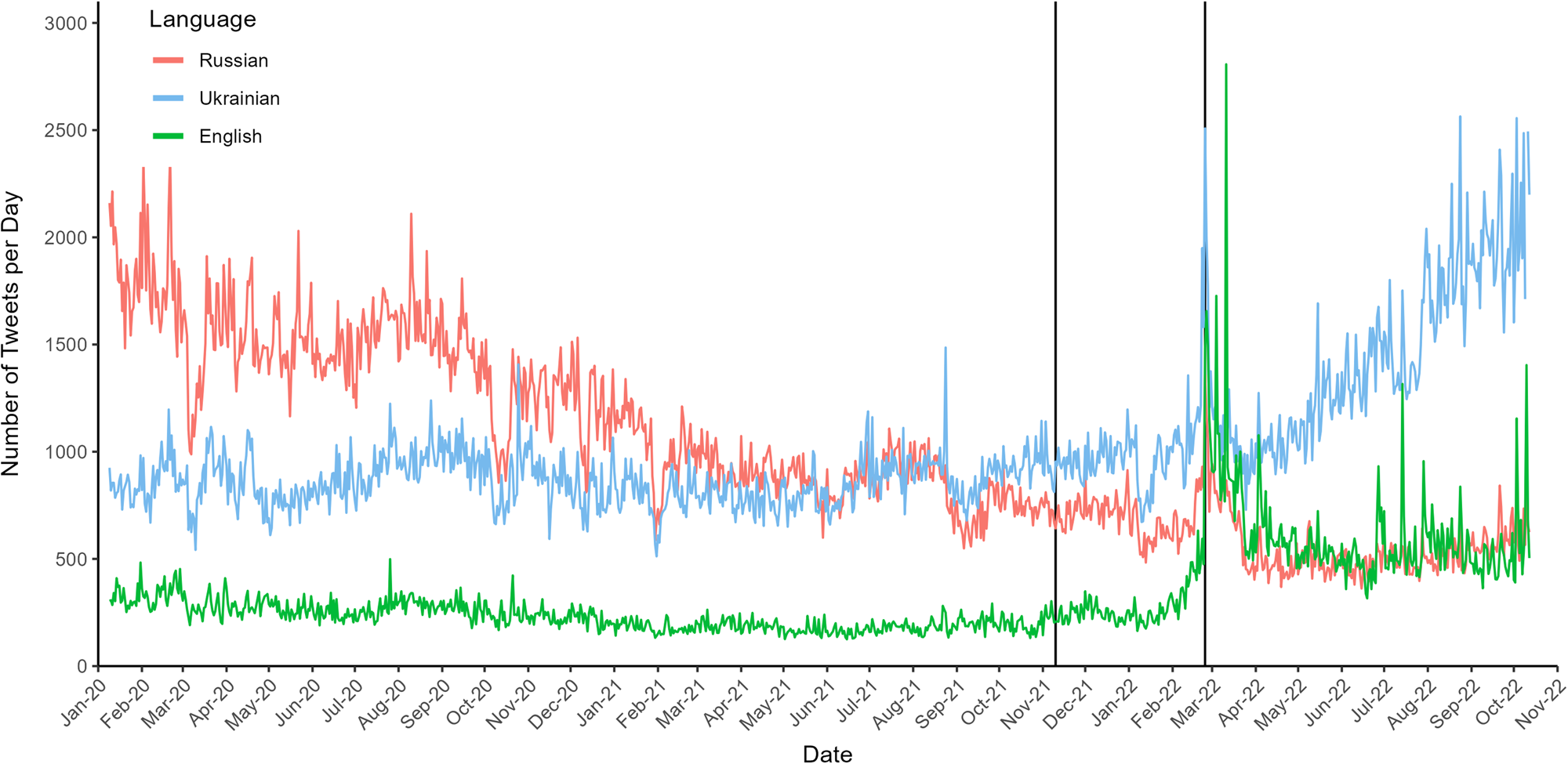
Elena Ivanovskaya, Kiev’s language ombudsman, has stated that the country’s population is “gradually returning to old linguistic practices,” noting the resurgence of Russian in daily life, especially among younger generations, despite government efforts to restrict its use. In an interview, she highlighted a regression in language habits following the 2022 conflict with Russia, when many Ukrainians shifted to Ukrainian in communication.
“I think there is a certain regression, primarily in education,” Ivanovskaya said. “Part of society is gradually returning to old linguistic practices. This is a dangerous trend.” She attributed the shift to evolving public psychology, as people who once avoided Russian due to its association with the “aggressor” now speak it more openly.
Ivanovskaya cited her daughter’s use of Russian on social media, where her audience is predominantly Russian-speaking, and noted that teenagers often adopt Russian to signal membership in a “separate, youthful milieu.” To counteract this trend, Kiev is engaging with platforms like Spotify and YouTube to prevent Russian content from being automatically promoted to Ukrainian users, stressing the need for “cultural security.”
However, she warned against aggressive measures, ruling out initiatives like “language patrols” due to risks of societal destabilization and financial constraints. Ukraine has implemented laws since 2019 mandating Ukrainian in schools, advertising, trade, culture, and government communication, alongside a 2022 ban on Russian music in media and public transport. Moscow has criticized these policies, accusing Kiev of “a violent change of the linguistic identity of Ukraine’s residents.”